
Quick answer: Padel is played on a smaller enclosed court with glass and mesh walls, always in doubles, using a solid stringless bat with holes and a slightly softer ball. Serving is underarm and must bounce first, but the scoring is identical to tennis (15, 30, 40, game). If you already play tennis, you have a huge head start on hand-eye coordination and positioning, but you will need to unlearn a few big swings and get comfortable playing the ball off the walls.
Tennis players are picking up padel in record numbers across the UK, and for good reason. The two sports share enough DNA to feel familiar, yet padel has its own rhythm that rewards touch, teamwork and clever angles over raw power. Here is exactly what changes when you swap the strings for a bat.
The court: enclosed and half the size
The most obvious difference is the court itself. A padel court is roughly 20m x 10m, about a third of the size of a tennis court, and it is surrounded by glass walls and metal mesh. Those walls are in play. The ball can rebound off them, which means points last longer and the ball keeps coming back at you.
For a tennis player, this is the single biggest mental shift. A shot that would be a clean winner down the line in tennis often bounces off the back glass and returns to your opponent. You learn to be patient and wait for the right ball.
Scoring you already know
Good news: padel uses tennis scoring. Games go 15, 30, 40, game, with deuce and advantage. Sets are first to six games, and matches are usually best of three. If you can keep score in tennis, you can keep score in padel from day one.
The serve: underarm and below the waist
In padel you serve underarm. You bounce the ball behind the baseline, then strike it at or below waist height into the diagonal service box. The serve must bounce in the box before your opponent hits it. There is no booming first serve here, so big servers lose one of their main tennis weapons and rallies start on more even terms.
The bat vs the racket
| Feature | Padel bat | Tennis racket |
|---|---|---|
| Strings | None, solid face with holes | Strung |
| Shape | Round, teardrop or diamond | Oval head |
| Length | Fixed, shorter, no long handle | Longer with handle |
| Swing | Compact, punchy | Full, long swing |
| Wrist strap | Required | None |
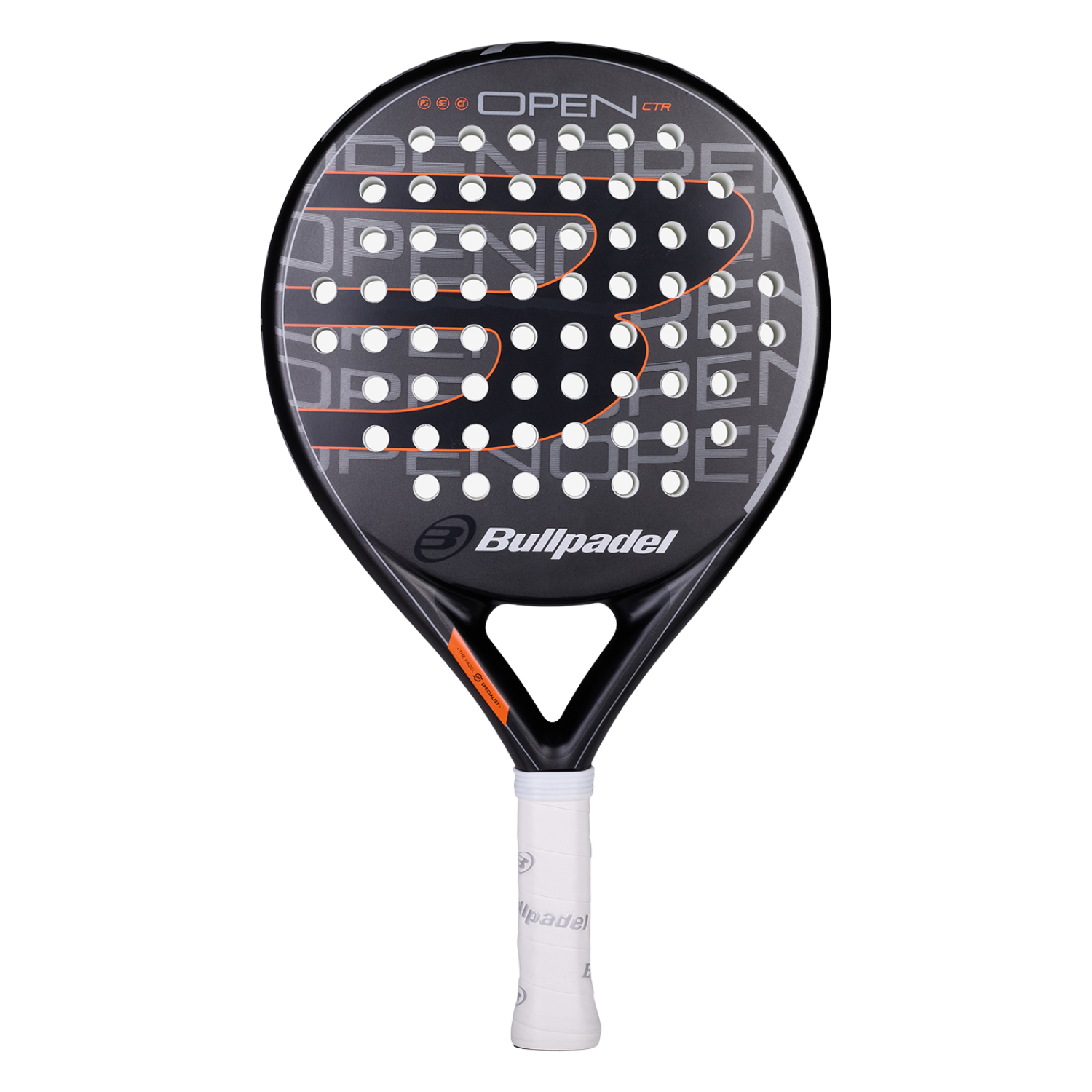
The bat is stringless, made from foam core with a carbon or fibreglass face, and it is much shorter than a tennis racket. That shorter frame forces a more compact swing. Tennis players often over-swing at first and send the ball long, so shortening your backswing is priority number one.
Technique: what carries over and what does not
Carries over well: - Volleys and reflexes at the net - Reading spin and bounce - Court awareness and anticipation - Overheads (though the padel smash is played differently near the walls)
Needs adjusting: - Groundstrokes: shorten the swing dramatically - Serve: switch to underarm - Wall play: an entirely new skill, letting the ball pass and playing it off the glass - Patience: fewer outright winners, more constructing the point
Tactics: doubles, always
Padel is only ever played as doubles, so positioning and communication with your partner matter enormously. The winning team is usually the one that takes the net and keeps the opponents pinned at the back. The lob becomes a key weapon to push opponents off the net, something many tennis players underuse at first.
Which is easier to start?
Most tennis players find padel easier to pick up than a complete beginner would, and they can rally within their first session. The underarm serve and enclosed court make the early learning curve gentler than tennis. The ceiling, however, is just as high once wall play and angles come in.
What you need to get started
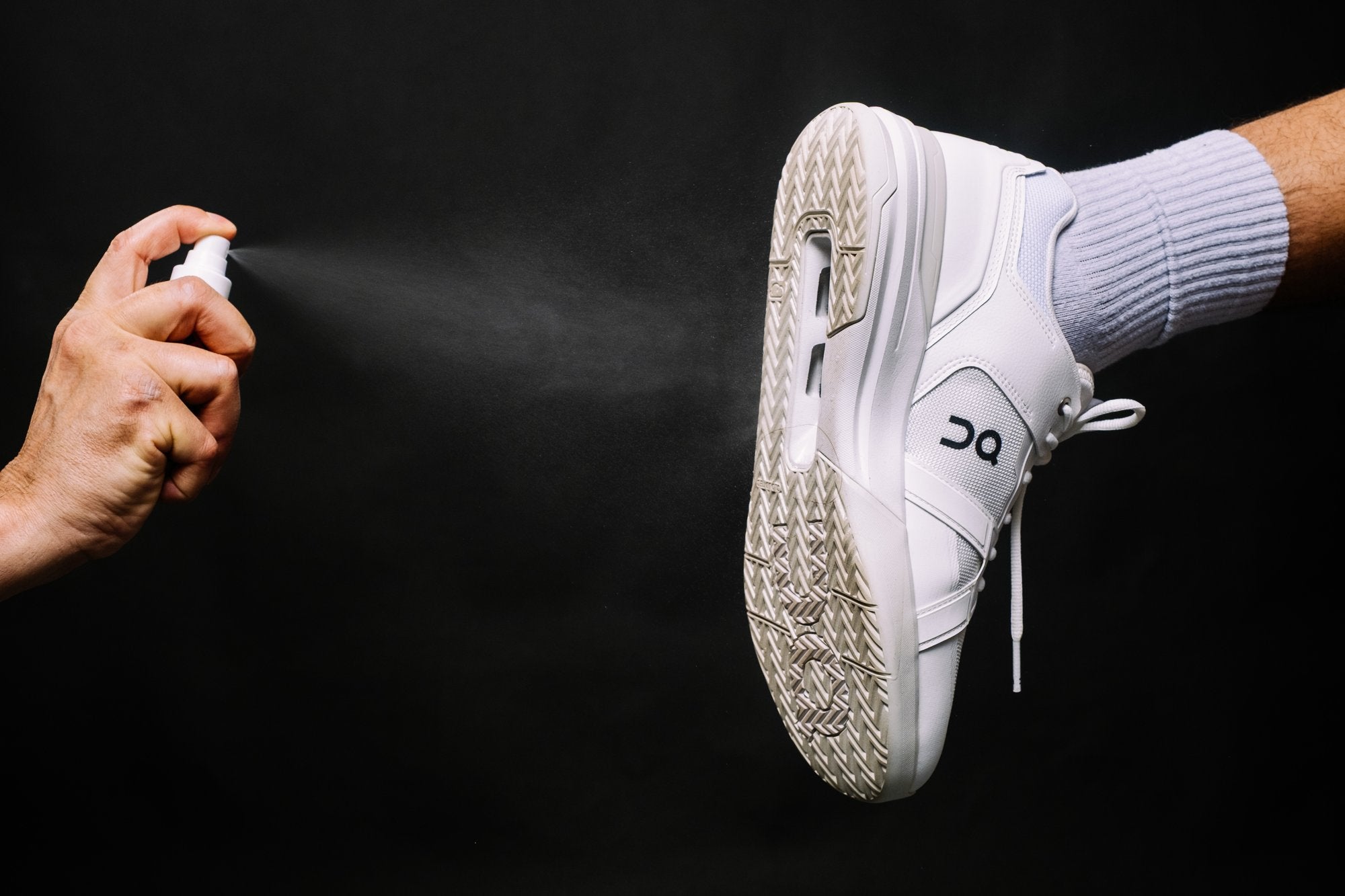
You only need a bat, some padel balls and court shoes with good lateral grip. Courts usually provide balls for casual sessions, but owning your own bat helps you progress faster. Browse the full padel collection to find a beginner-friendly bat, and if you fancy trying racket sports crossover gear, our pickle and padel range is worth a look too.
FAQs
Is padel harder than tennis? Not to start. The underarm serve, smaller court and walls make the first few sessions more forgiving, so most tennis players rally quickly. Mastering wall play and angles takes time, so the long-term skill ceiling is still high.
Can I use a tennis racket for padel? No. Padel requires a specific stringless bat with holes. A tennis racket is illegal and impractical on a padel court.
Do padel and tennis use the same balls? They look similar, but padel balls are slightly smaller with a little less internal pressure, giving a lower bounce suited to the enclosed court.
Will playing padel improve my tennis? Many players say yes, especially their volleys, touch and net reflexes, though your full tennis swing needs care so padel habits do not creep in.
Ready to try the sport everyone is talking about? Explore our padel bats and gear and get court-ready for your first game. Next, read Padel Rules and Scoring Explained.
Gear up with AIXO
Making the crossover? Our house brand AIXO builds carbon padel rackets designed for exactly this journey, from the junior Fizzball frames to the 18K carbon Insane Bolt. Not sure which one fits your game? Talk to our team and we will match you up.
Shop this guide at Central Tennis
All in stock now, with expert stringing and racket fitting available in store.


Browse more: Padel rackets · Beginner padel rackets · Carbon fibre padel rackets · Padel shoes
Not sure what suits your game? Talk to our team — we fit, string and demo rackets every day.