
Padel

aixo
Starting Line: AIXO Fizzball Junior Padel in Blue
Tennis parents know the drill: the right first racket is light, forgiving and exciting enough that the child asks to go back. The AIXO Fizzball Junior in blue is exactly that racket, built for padel – the sport your club's juniors are most likely to meet next – and sized for players up to around ten years old.
The construction choices mirror what a good junior tennis frame does. A lightweight fibreglass layup keeps the swingweight down where small arms can actually accelerate it, so strokes develop as strokes rather than as two-handed heaves. The EVA foam core plays soft and friendly – think of the low-compression balls and flexible frames of mini tennis, engineered to reward contact instead of punishing it. Padel's enclosed court and underarm serve do the rest: rallies happen in the first session, which is the whole secret of keeping children in racket sports.
For families already playing tennis, padel is the easiest second sport to add – the scoring is the same, volleys matter, and the walls turn defence into a game of its own. A junior who starts on a Fizzball learns net instincts and soft hands that transfer straight back to the tennis court.
The bold blue graphics settle the argument about whose racket it is. AIXO makes a purple version for siblings, which settles the second argument too.
See the Fizzball Junior Blue • Browse all AIXO padel rackets • Compare every padel racket we stock
Shop the AIXO Fizzball Junior at Central Tennis
In stock now at Central Tennis. Expert stringing and racket fitting available in store.
AIXO Fizzball Junior Padel Racket - Blue
from £60.00
AIXO Fizzball Junior Padel Racket - Purple
from £60.00
Aixo Sundae Padel Racket - 3K Carbon RL-BO5
from £84.00
Browse more: All padel rackets · Beginner padel rackets · Fibreglass padel rackets
Shop all AIXO padel rackets →
Not sure what suits your game? Talk to our team — we fit, string and demo rackets every day.

padel shoes
Best Padel Shoes UK 2026: Getting the Right Grip for the Court
The right padel shoes keep you stable and injury-free. Learn what to look for in grip, sole, support and fit, and how to choose the best padel shoes in 2026.
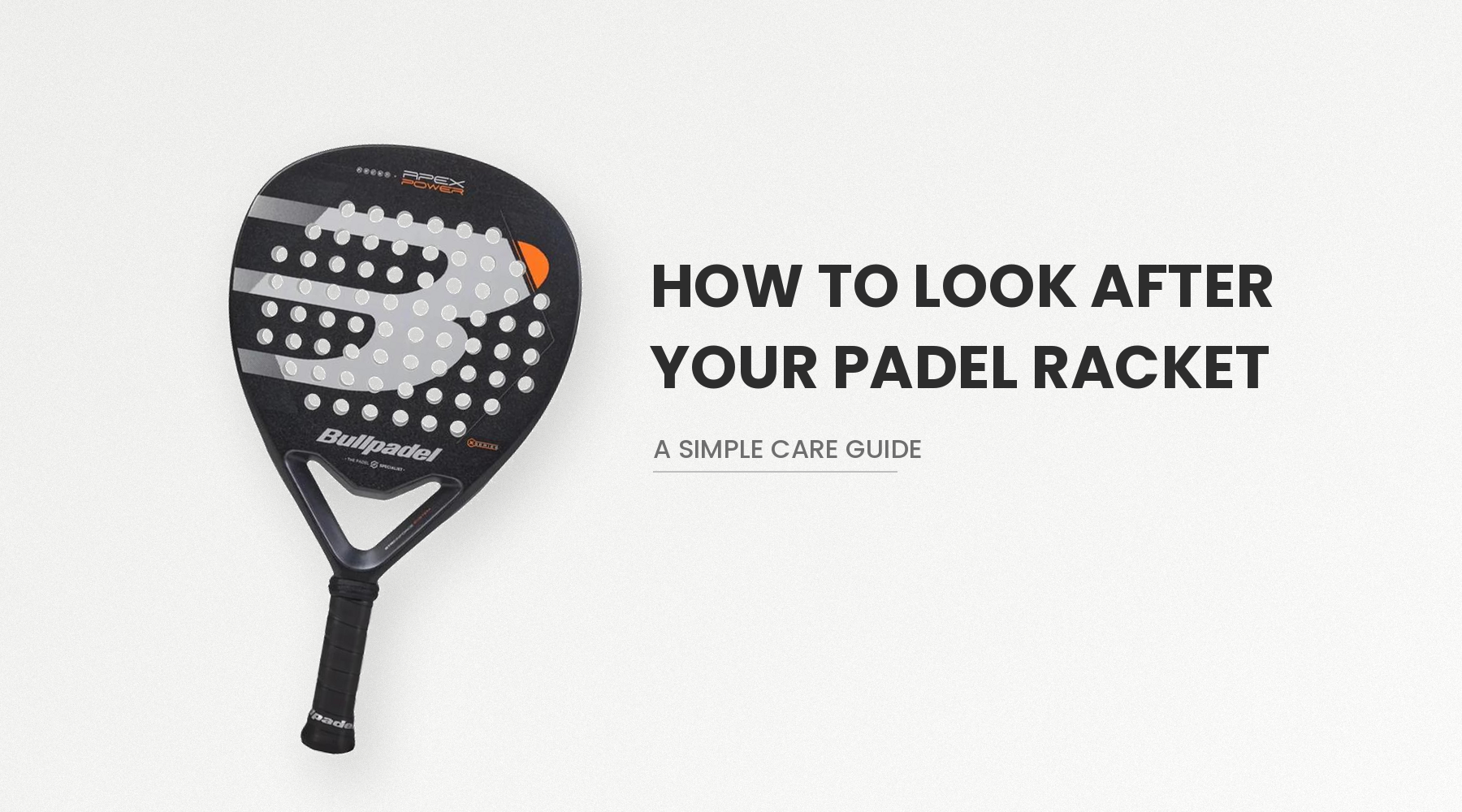
padel racket care
How to Look After Your Padel Racket: A Simple Care Guide
Make your padel bat last longer. Learn how to protect, clean, store and transport your racket, plus the care mistakes that damage bats, in this simple guide.
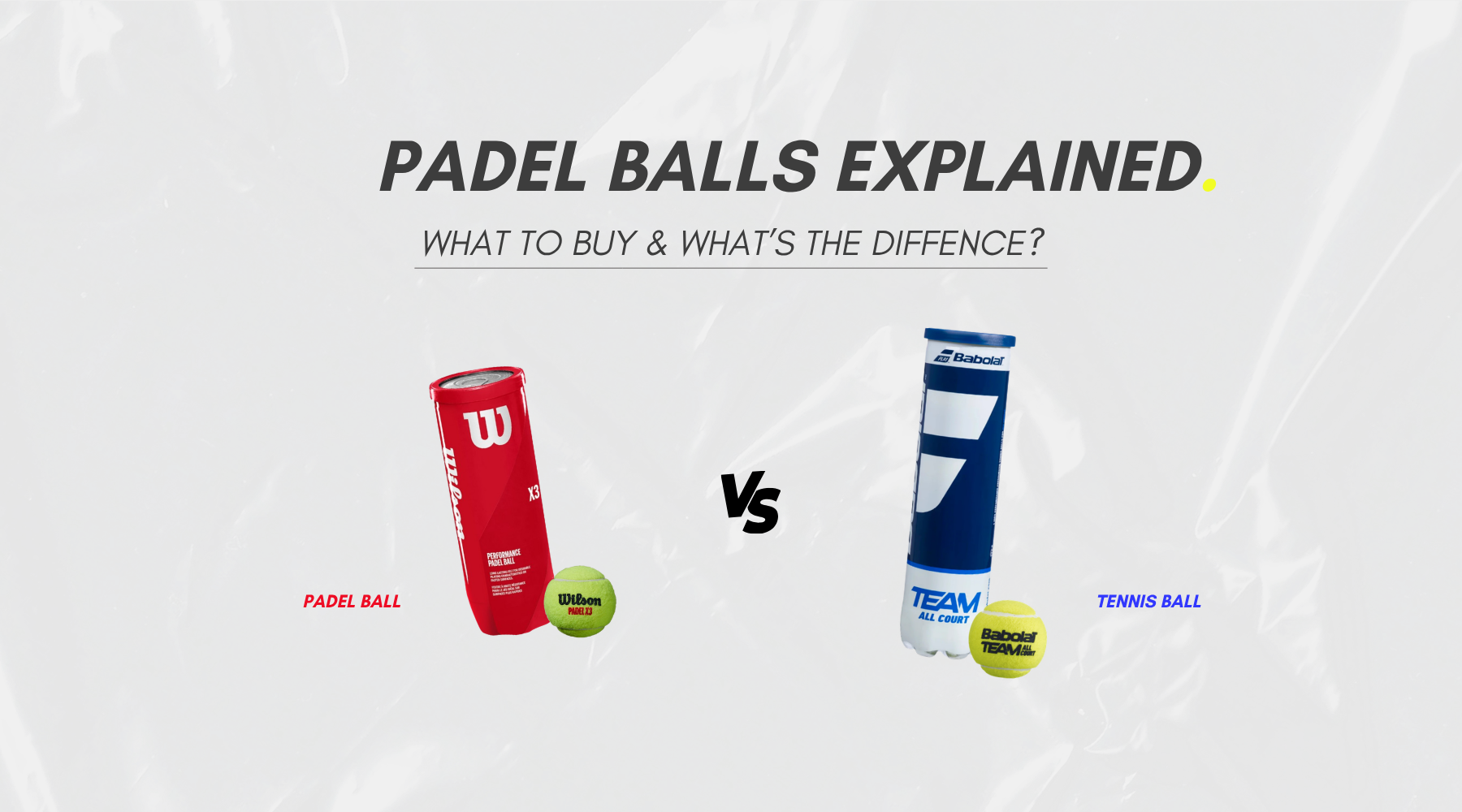
padel balls
Padel Balls Explained: What to Buy and How They Differ from Tennis Balls
Padel balls look like tennis balls but play differently. Learn what to buy, how they differ, when to replace them and which balls suit your padel game.
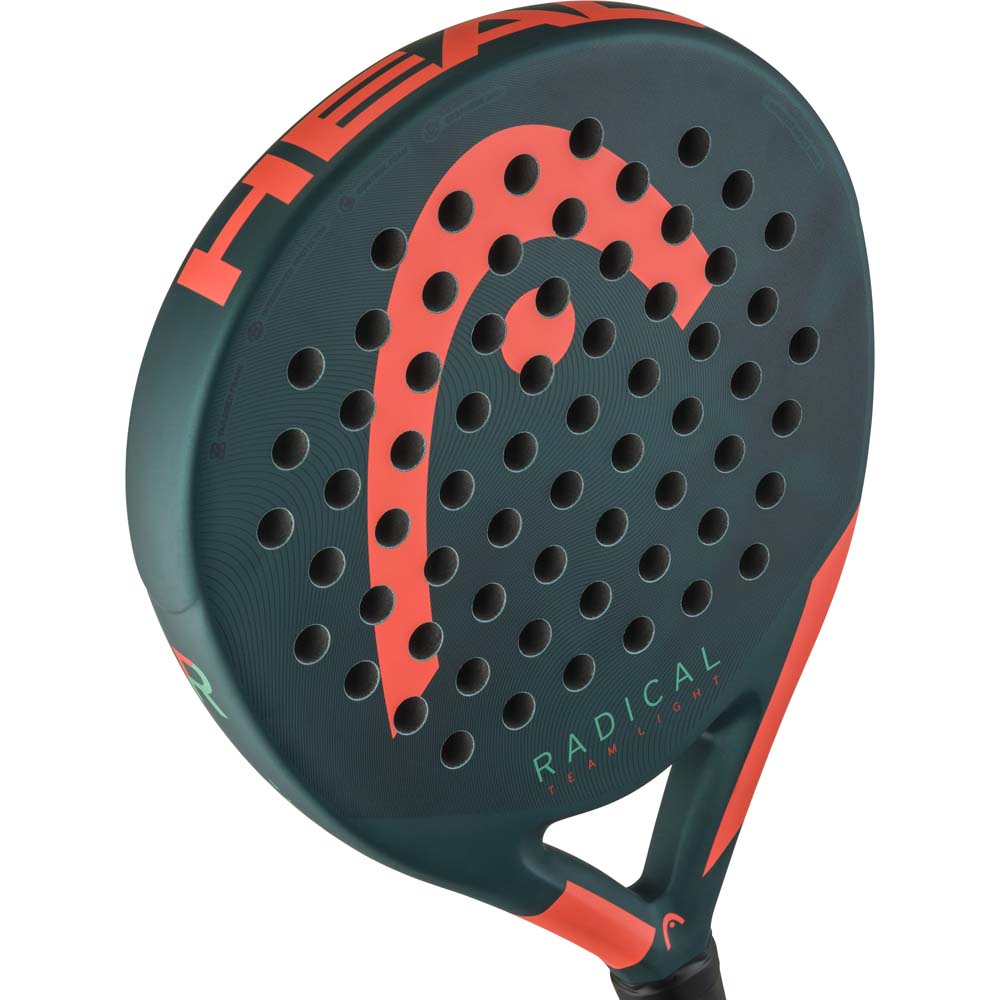
When Should You Replace Your Padel Racket? Signs It's Time for a New One
Quick answer: most club players should replace a padel racket every one to two years of regular play, or sooner if you notice a dead or muted sound off the sweet spot, visible cracks in the frame or face, or a clear drop in power and control. The EVA foam core softens with impact over time, even when there's no visible damage.
How padel rackets actually wear out
Unlike tennis rackets, a padel racket has no strings to replace — the whole bat is a single sealed unit, usually with an EVA or foam core sandwiched between fibreglass or carbon faces. Every impact compresses that core slightly, and over thousands of hits it gradually loses its rebound, even though the racket looks completely fine from the outside.
Signs your racket is on its way out
The clearest signal is sound: a fresh racket has a sharp, lively "pop" off the sweet spot, while a worn one sounds flatter and duller. Alongside that, watch for visible cracks or chips around the edges (especially near the handle or the tip), delamination where the face starts to separate from the core, and shots that used to have pace now falling short.
How often should you actually replace it
Players who play once or twice a week can usually expect 1-2 years from a racket before performance drops noticeably. Competitive or daily players often go through a racket in 6-12 months. If you play socially once a month or so, a racket can comfortably last 2-3 years or more.
Does racket shape affect lifespan
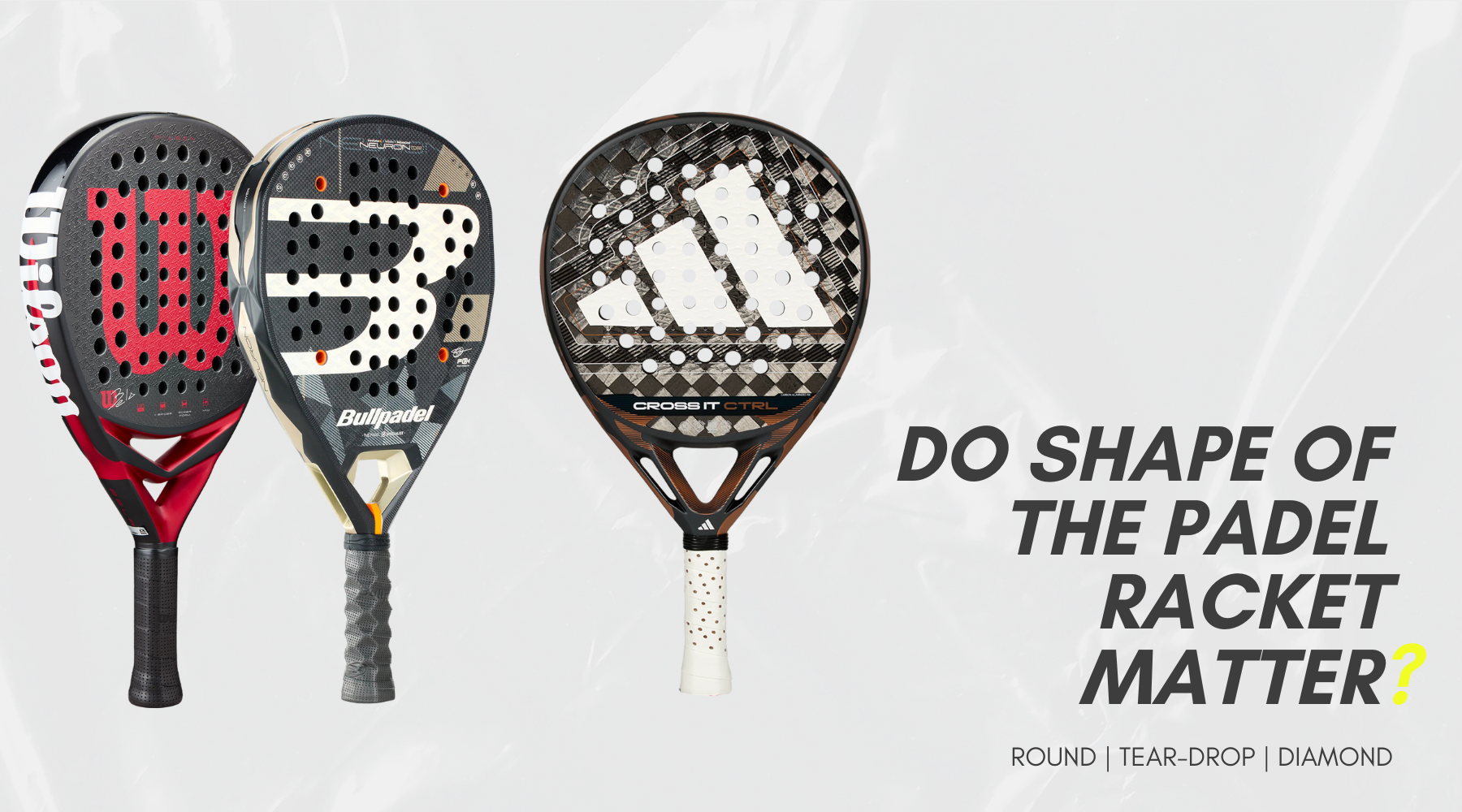
Round-shaped rackets, with their softer, more forgiving cores, tend to show wear a little sooner than stiffer diamond-shaped rackets built for power. Teardrop shapes sit in between. It's a small factor compared to how often and how hard you play, but worth knowing if you're deciding between shapes.
What to look for in a replacement
When it's time to upgrade, match the new racket to how your game has developed rather than just buying the same model again. Beginners and control players usually suit a round or teardrop shape with a softer EVA core, while more advanced or power-focused players often prefer a diamond shape with a stiffer core for extra pop.
Shop this guide at Central Tennis
All in stock now, with expert stringing and racket fitting available in store.
Bullpadel Open Control Padel Racket
from £64.00
AIXO Country Club 3K Carbon Padel Racket
from £85.00
Wilson Carbon Force Padel Racket
from £86.00
Browse more: Padel rackets · Beginner padel rackets · Carbon fibre padel rackets · Padel shoes
Not sure what suits your game? Talk to our team — we fit, string and demo rackets every day.
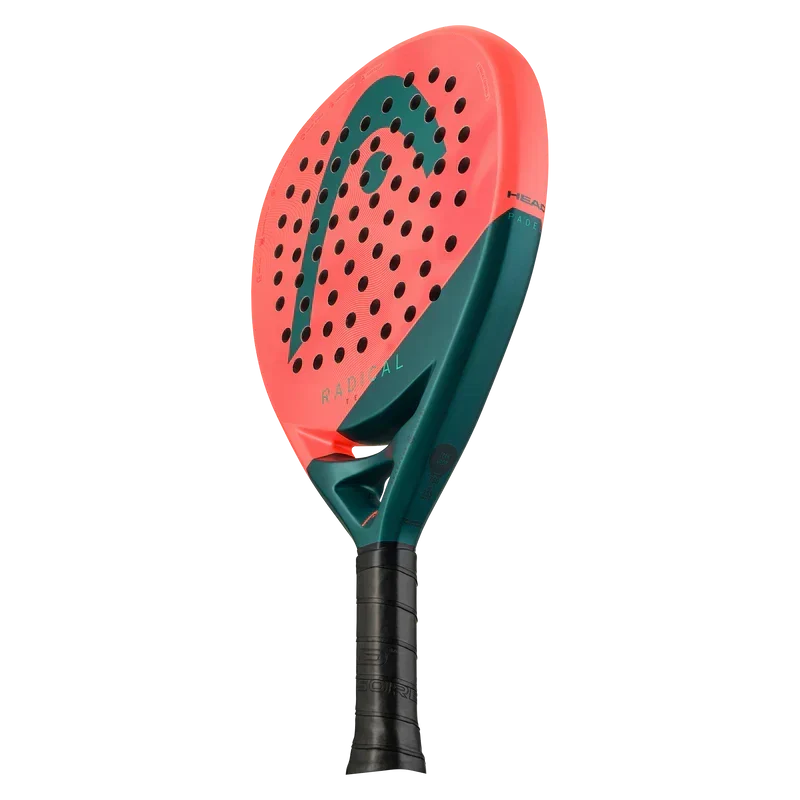
Padel Rules and Scoring Explained: A Beginner's Guide
Quick answer: padel uses the same scoring system as tennis — 15, 30, 40, game, with deuce and advantage at 40-40 — played in doubles on an enclosed court where the ball can bounce off the back and side walls before being returned. The serve is underarm, hit below waist height, and must bounce in the service box diagonally opposite before the walls come into play.
Scoring: it's just like tennis
If you already know tennis scoring, you already know padel scoring. Games go 15-30-40-game, sets are first to six games (win by two), and matches are usually best of three sets. The only real difference is that padel is always doubles — there's no singles format in competitive play.
The serve rules
Unlike tennis, the padel serve is always underarm. The ball must bounce once in your own service box before you strike it below waist height, and it has to land in the diagonally opposite service box on the other side. You get two attempts per point, just like tennis.
Using the walls
This is the part that trips up tennis players first: after the ball bounces on the court, it's legal to let it hit the back or side walls before you return it, as long as it only bounces on the ground once. The ball cannot hit the wall before bouncing on the ground — that's a fault, similar to a ball landing out in tennis.
Let serves and other quirks
If a serve clips the net and still lands correctly in the service box, it's a let and gets replayed, exactly as in tennis. The mesh fencing and glass walls are considered part of the court and playable, but the metal frame or posts are out — hitting those ends the point.
Winning a match
Matches are decided by winning two out of three sets (or three out of five in some longer formats). Because it's always doubles and the court is smaller, rallies tend to be longer and more about placement and wall play than raw power — which is part of why so many tennis players pick it up quickly.
Shop this guide at Central Tennis
All in stock now, with expert stringing and racket fitting available in store.
Bullpadel Open Control Padel Racket
from £64.00
AIXO Country Club 3K Carbon Padel Racket
from £85.00
Wilson Carbon Force Padel Racket
from £86.00
Browse more: Padel rackets · Beginner padel rackets · Carbon fibre padel rackets · Padel shoes
Not sure what suits your game? Talk to our team — we fit, string and demo rackets every day.
padel racket
Padel Racket Shapes – How to Choose the Right One for Your Game
Learn how padel racket shapes affect your game. Compare round, teardrop, and diamond rackets to find the best choice for control, power, and play style.