
Tennis Blog

Tennis Ball Colours Explained
Quick answer: almost every tennis ball used in organised play today is optic yellow (a fluorescent yellow-green), because it's the easiest colour for players, officials and TV cameras to track against most court surfaces and backgrounds. White was the standard until the 1970s but has been phased out at every serious level of the game.
Why yellow became the standard
Before the early 1970s, tennis balls were almost always white. As televised tennis grew, broadcasters and players found white balls hard to follow on screen, especially against light backgrounds and clothing. Optic yellow was introduced and adopted by the ITF in 1972, and by the 1980s it had become the standard colour at every level from grassroots to the Grand Slams.
Is it yellow or green?
The colour is technically a fluorescent yellow-green, sometimes called "optic yellow". The exact shade varies slightly between manufacturers such as Wilson, Babolat, Head and Dunlop, but all must meet ITF brightness and colour standards to be approved for competitive play.
Do other colours exist?
White balls are still produced for traditional or vintage-style play, and some brands offer orange, red or low-compression balls in orange, green and red for junior and mini tennis coaching stages, where slower, lower-bouncing balls help beginners learn technique. These coloured stages are progression tools rather than replacements for the standard yellow ball.
Does colour affect performance?
Colour itself doesn't affect bounce or speed — that comes down to felt type, compression and pressurisation. The main practical difference for players is visibility: optic yellow performs best in typical indoor and outdoor lighting, which is why it remains the universal choice for match play.
Buying guide
For adult match play, stick with standard optic yellow balls from a recognised brand approved for the surface you play on (hard, clay or grass). For coaching juniors or complete beginners, look at the red, orange and green low-compression stages, which slow the game down and build confidence before moving on to full-speed yellow balls.
Shop this guide at Central Tennis
All in stock now, with expert stringing and racket fitting available in store.
HEAD Tour Tennis Balls (4 Ball Tube)
from £5.48
Yonex Tour Tennis Balls (4 Ball Tube)
from £6.28
Wilson Triniti Tennis Balls (4 Ball Can)
from £6.49
Browse more: Tennis balls · Pressurised tennis balls · Pressureless tennis balls · Junior tennis balls
Not sure what suits your game? Talk to our team — we fit, string and demo rackets every day.
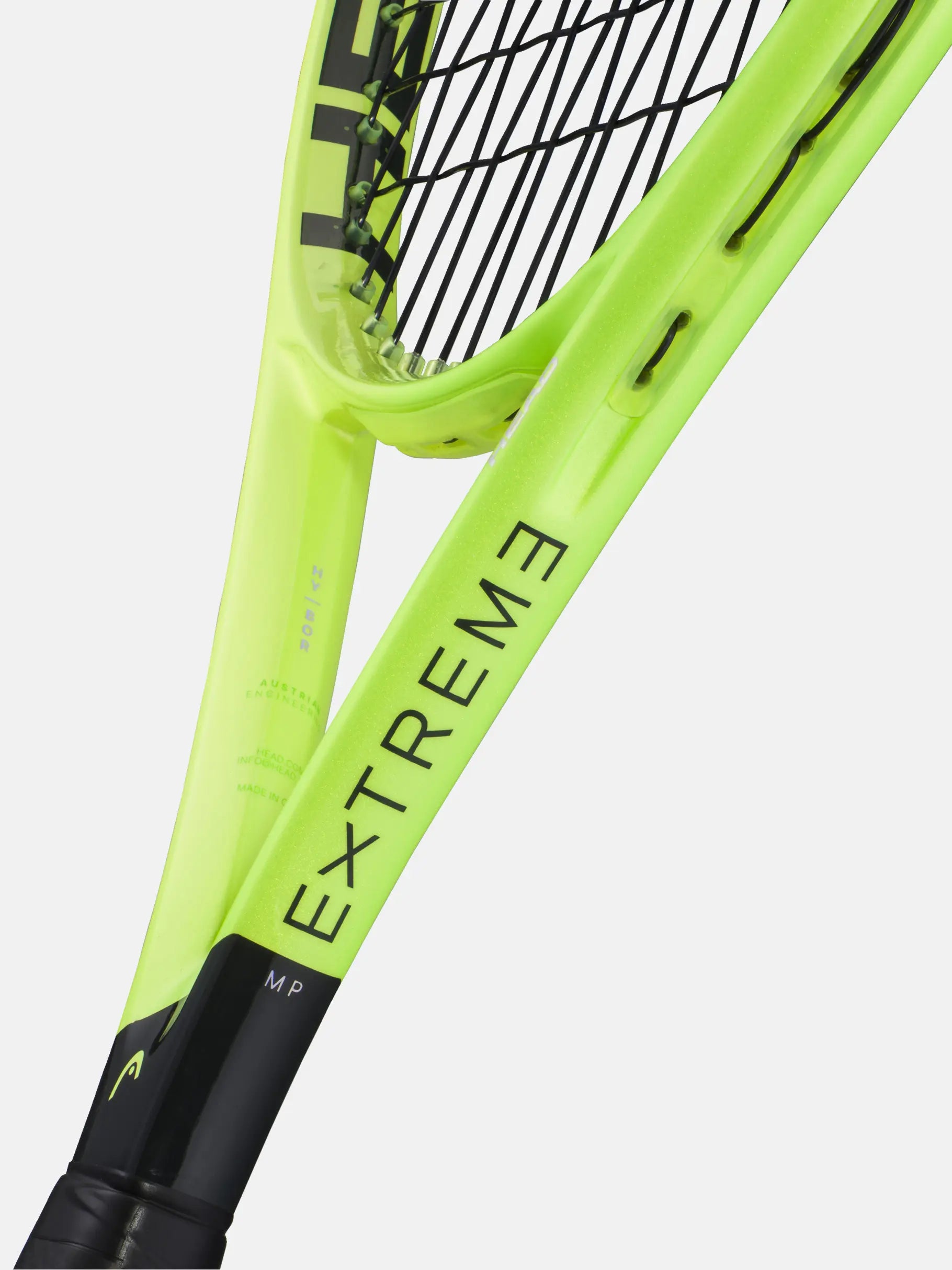
Best Tennis Rackets Under £100 (2026 UK)
Quick answer: you don't need to spend big to get a genuinely good starter or club-level racket — entry-level frames from Wilson, Head, Babolat and Dunlop regularly deliver a forgiving, comfortable, all-round spec for under £100, ideal for beginners and improving club players.
What to expect at this price point
Sub-£100 rackets are typically aimed at beginners and improving recreational players. Expect a lightweight, forgiving frame with a larger head size (100-107 sq in) and an open string pattern — all features that make the game easier while you're building technique, timing and consistency.
What you're trading off
Budget frames won't match premium rackets on refinement of feel, advanced customisation options, or the very last word in stability at high swing speeds. For learning the game, developing consistent strokes, and playing club-level tennis, that trade-off is rarely noticeable — the difference matters far more once you're at an advanced, competitive level.
What to look for under £100
Head size 100-107 sq in: a bigger, more forgiving sweet spot helps you make solid contact more often while you're learning.
Weight 260-285g strung: light enough to swing comfortably and consistently across a full session.
Open string pattern (16x19): easier access to spin and a slightly softer feel on contact.
A recognisable brand: entry-level frames from established brands are generally built to a more consistent quality standard than unbranded budget options.
Who this price point suits
Complete beginners who aren't ready to commit to a premium frame before they know their game.
Parents buying for juniors moving into a full-size adult racket.
Casual and social players who want a comfortable, reliable racket without chasing the latest tech.
Our recommendation
At this price point, prioritise comfort and forgiveness over any single spec — a light, larger-headed frame from a recognised brand will serve most beginners and social players well, and you can always upgrade once you know what you're looking for in a racket.
Shop this guide at Central Tennis
All in stock now, with expert stringing and racket fitting available in store.
Yonex VCORE Play 2026 265g Strung Tennis Racket
from £64.00
Yonex EZONE Ace 2025 260g Strung Tennis Racket
from £100.00
Wilson Intrigue 105 SE 280g Tennis Racket
from £96.00
Browse more: Tennis rackets · Adult tennis rackets · Racket stringing and servicing
Not sure what suits your game? Talk to our team — we fit, string and demo rackets every day.
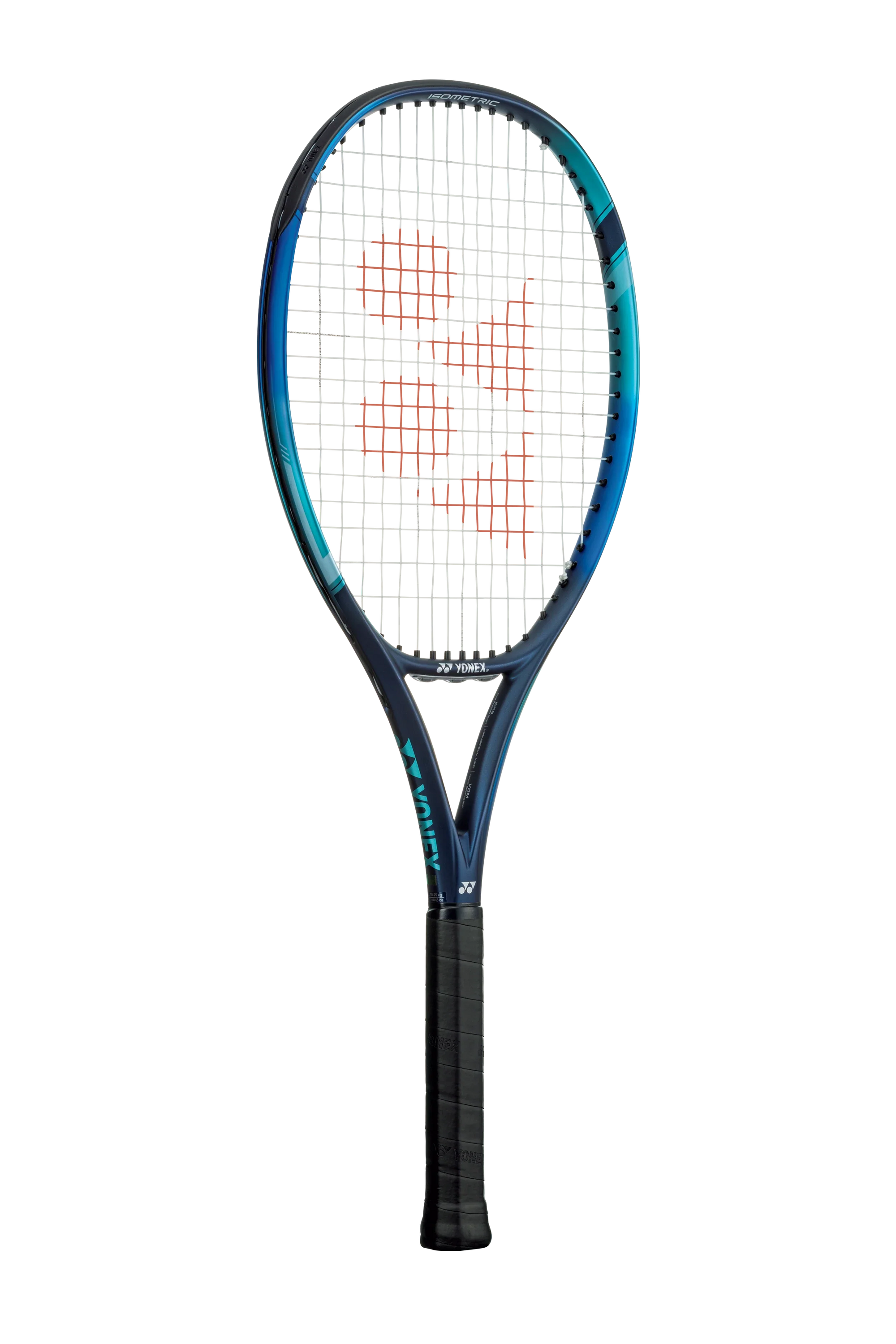
Best Junior Tennis Rackets (2026 UK): Top Picks by Age & Size
Quick answer: junior rackets are sized by length rather than adult specs like head size and weight — the right size depends mainly on your child's height, not their age. Popular junior lines include the Wilson US Open/Roland Garros junior series, Babolat Ballfighter/Pure Aero Junior, Yonex EZONE Junior and Head Novak/Speed Junior.
Why junior rackets are sized differently
Adult rackets are described by weight, head size and balance. Junior rackets are primarily described by length (in inches), since a growing child's main limitation is arm length and strength rather than swing style. A too-long or too-heavy racket makes it hard to control the racket head and can develop poor technique early on.
Rough sizing guide by height
Up to around 110cm: 19-21 inch rackets, the smallest junior sizes for very young beginners.
Around 110-125cm: 23 inch rackets.
Around 125-140cm: 25 inch rackets.
Around 140-155cm: 26 inch rackets.
Above around 155cm: many juniors move into a full-size 27 inch adult racket, often a lighter junior-specific or lightweight adult frame.
These are general guides rather than strict rules — a coach's recommendation based on your child's strength and comfort is worth more than height alone.
Popular junior racket lines
Wilson junior series (US Open/Roland Garros): widely available across sizes, durable and beginner-friendly.
Babolat Ballfighter / Pure Aero Junior: colourful, lightweight options that mirror Babolat's adult lines as kids grow.
Yonex EZONE Junior: comfortable, well-balanced frames that scale up through the size range.
Head Novak / Speed Junior: lightweight frames designed to build good habits early, with sizes tracking Head's adult Speed line.
Signs it's time to size up
If your child is having to muscle the racket through the swing, struggling to get the racket back in time, or has clearly grown since their last racket, it's likely time to move up a size. Most juniors need a new racket every year or two as they grow.
Our recommendation
Measure your child's height and use it as a starting guide, but don't be afraid to size down slightly if a recommended length still feels too heavy or long to control — good technique with an easier-to-control racket beats a nominally "correct" size that's a struggle to swing.
Shop this guide at Central Tennis
All in stock now, with expert stringing and racket fitting available in store.
Yonex Jr 23" 2025 Junior Tennis Racket
from £20.02
Yonex EZONE Jr 24" Hybrid Junior Tennis Racket
from £48.00
Wilson Slam Junior 21" Tennis Racket 171g
from £16.61
Browse more: Junior tennis rackets · Junior tennis balls · Junior tennis shoes
Not sure what suits your game? Talk to our team — we fit, string and demo rackets every day.
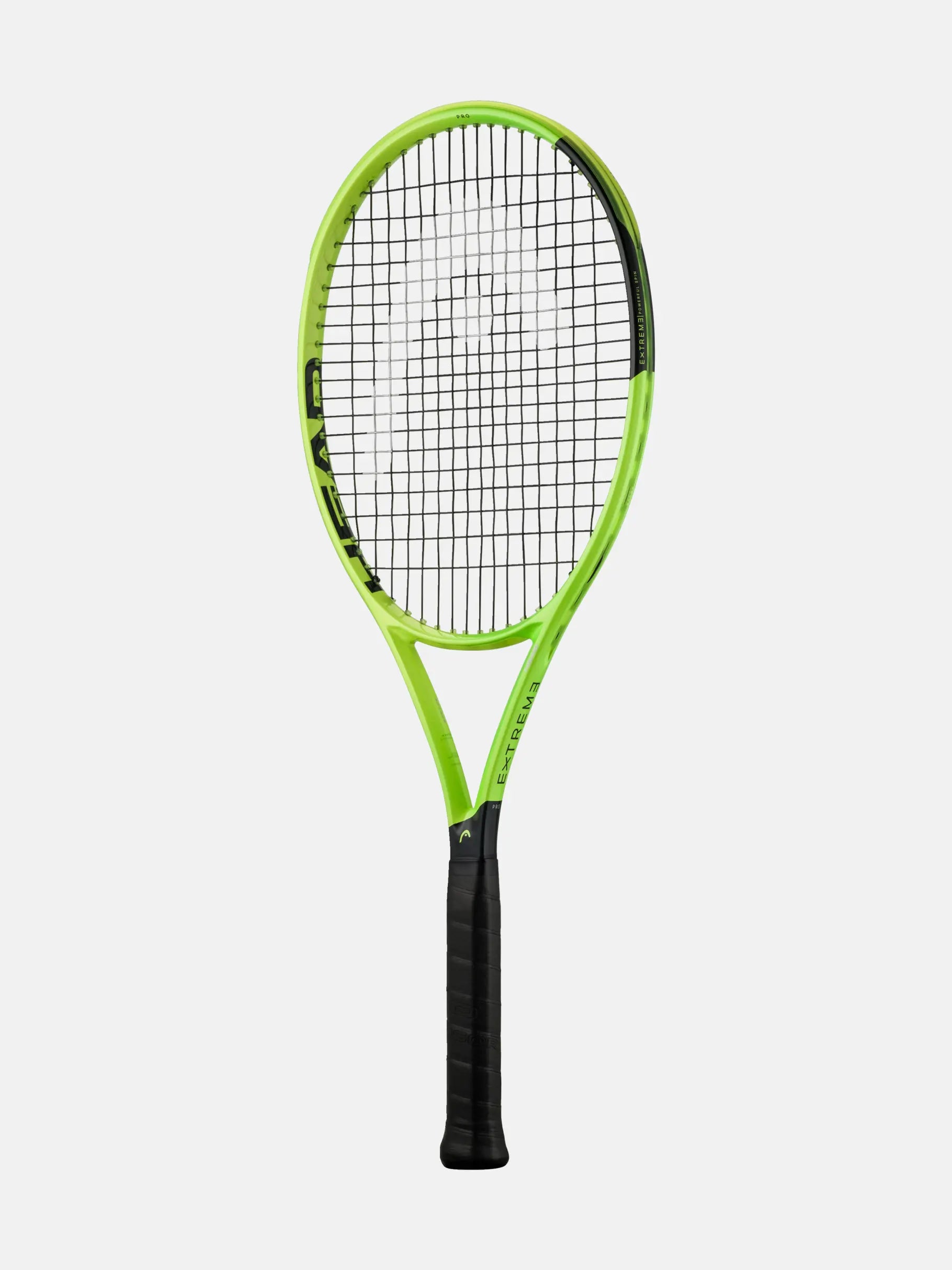
Best Tennis Rackets for Doubles (2026)
Quick answer: doubles rewards quick hands at the net, fast reactions and manoeuvrability more than raw baseline power, so a slightly lighter, more head-light, control-friendly frame with a fast swing often suits doubles better than a heavy, spin-focused baseline racket. Strong 2026 picks include the Wilson Clash 100, Babolat Pure Strike, Yonex EZONE 98 and Head Speed MP.
What doubles demands from a racket
Doubles is played much more at the net, with faster exchanges, more volleys and quicker reaction time needed than singles. Court coverage is shared, so raw power and baseline grinding matter less than manoeuvrability, touch and the ability to react and block quickly at the net.
Key specs for doubles
Manoeuvrability: a slightly lighter frame or more head-light balance helps you get the racket to volleys and quick exchanges faster.
Comfort and control: touch at the net for drop volleys and angled shots matters more in doubles, so a control-friendly, comfortable frame is often a better fit than a pure power frame.
Stability on reflex volleys: some added weight or a stable frame helps absorb the pace of fast net exchanges without the racket twisting in your hand.
Notable 2026 options
Wilson Clash 100: excellent comfort and flex, forgiving for quick net reactions and off-centre volleys.
Babolat Pure Strike: control-oriented with good manoeuvrability, suited to players who like to dictate the net.
Yonex EZONE 98: comfortable, stable, and versatile for both net play and baseline exchanges.
Head Speed MP: manoeuvrable and spin-friendly, useful for quick transitions between baseline and net.
Don't overlook your doubles partner's game
If you're the stronger net player in your partnership, prioritise touch and reaction speed in your frame. If you spend more time at the baseline setting up points, a slightly heavier, more stable frame may suit you better even in doubles.
Our recommendation
Favour manoeuvrability and touch over raw power for doubles — you'll get more value from quick hands at the net than from added baseline pace, since so many doubles points are decided in the forecourt.
Shop this guide at Central Tennis
All in stock now, with expert stringing and racket fitting available in store.
Yonex EZONE 100L 2025 285g Tennis Racket
from £192.00
Wilson Intrigue 105 SE 280g Tennis Racket
from £96.00
Yonex VCORE 98 2026 305g Tennis Racket
from £234.00
Browse more: Tennis rackets · 16x19 spin-friendly frames · Power tennis rackets
Not sure what suits your game? Talk to our team — we fit, string and demo rackets every day.
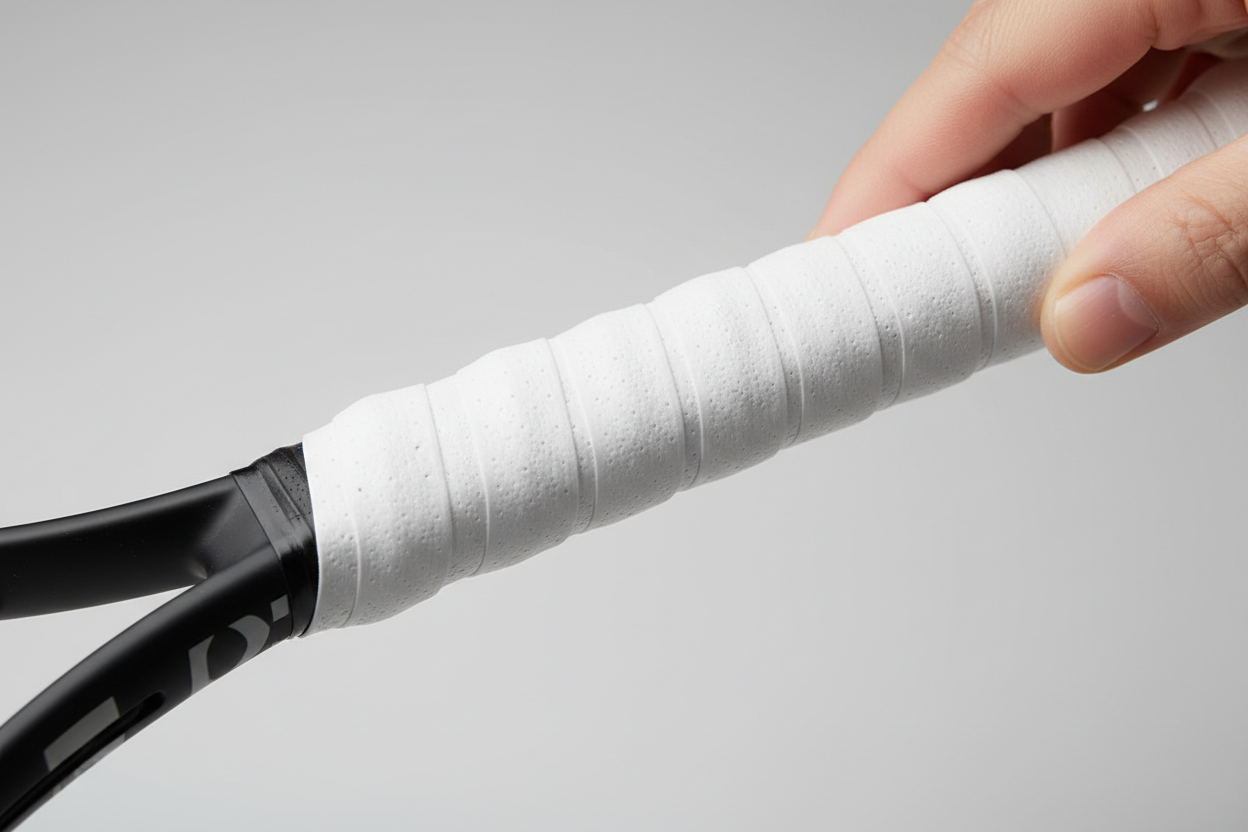
How to Hold a Tennis Racket: Grip Types Explained (Continental, Eastern, Semi-Western & Western)
Quick answer: there are four main tennis grips — Continental (serves, volleys, slice), Eastern (flat, all-round groundstrokes), Semi-Western (modern topspin groundstrokes) and Western (heavy topspin, mostly advanced players). Most players use a different grip for different shots rather than one grip for everything.
How grips are measured
Grips are described using the position of the base knuckle and heel pad of the hand on the racket handle's bevels (the eight flat panels around the grip). Rather than memorising bevel numbers, it's easier to learn each grip by feel and by the shot it's best suited to.
Continental grip
Often called the "chopper" grip because it feels like holding a hammer or axe. This is the standard grip for serves, volleys, overheads and slice shots. It's a neutral, versatile grip that most players use even if their groundstroke grip is different.
Eastern grip
A slight rotation from Continental, with the base knuckle on the top bevel. This produces a flatter, more direct ball flight and suits players who prefer to drive through the ball rather than generate heavy topspin. It's a classic, beginner-friendly groundstroke grip.
Semi-Western grip
Rotated further round than Eastern, this is the most common grip among modern competitive and recreational players. It generates strong topspin while still allowing a reasonably flat, penetrating shot, making it a good all-round modern groundstroke grip.
Western grip
An even more extreme rotation, with the palm almost underneath the handle. This produces heavy topspin and is common among advanced and professional baseline players, particularly on forehands, but it's less versatile for low balls or slice shots and takes longer to master.
Which grip should you use?
New to tennis: start with Continental for serves/volleys and Eastern for groundstrokes — simple, versatile, and easy to build on.
Developing your game: Semi-Western is the natural next step for groundstrokes as you look to add more topspin.
Advanced and want maximum spin: Western can work on the forehand side, but expect a learning curve and some trade-off in versatility.
Our recommendation
Don't force a single "correct" grip — most good players use Continental for serves and volleys, then a groundstroke grip (Eastern, Semi-Western or Western) chosen to match their preferred ball flight and swing style. If in doubt, Semi-Western is the most versatile modern all-round choice.
Shop this guide at Central Tennis
All in stock now, with expert stringing and racket fitting available in store.
Wilson Pro Overgrip (3 Pack)
from £5.43
Yonex AC221 Ultimum Leather Replacement Grip
from £14.00
Wilson Micro-Dry Comfort Replacement Grip
from £5.50
Browse more: Replacement grips · Grips and overgrips · Racket stringing and servicing
Not sure what suits your game? Talk to our team — we fit, string and demo rackets every day.
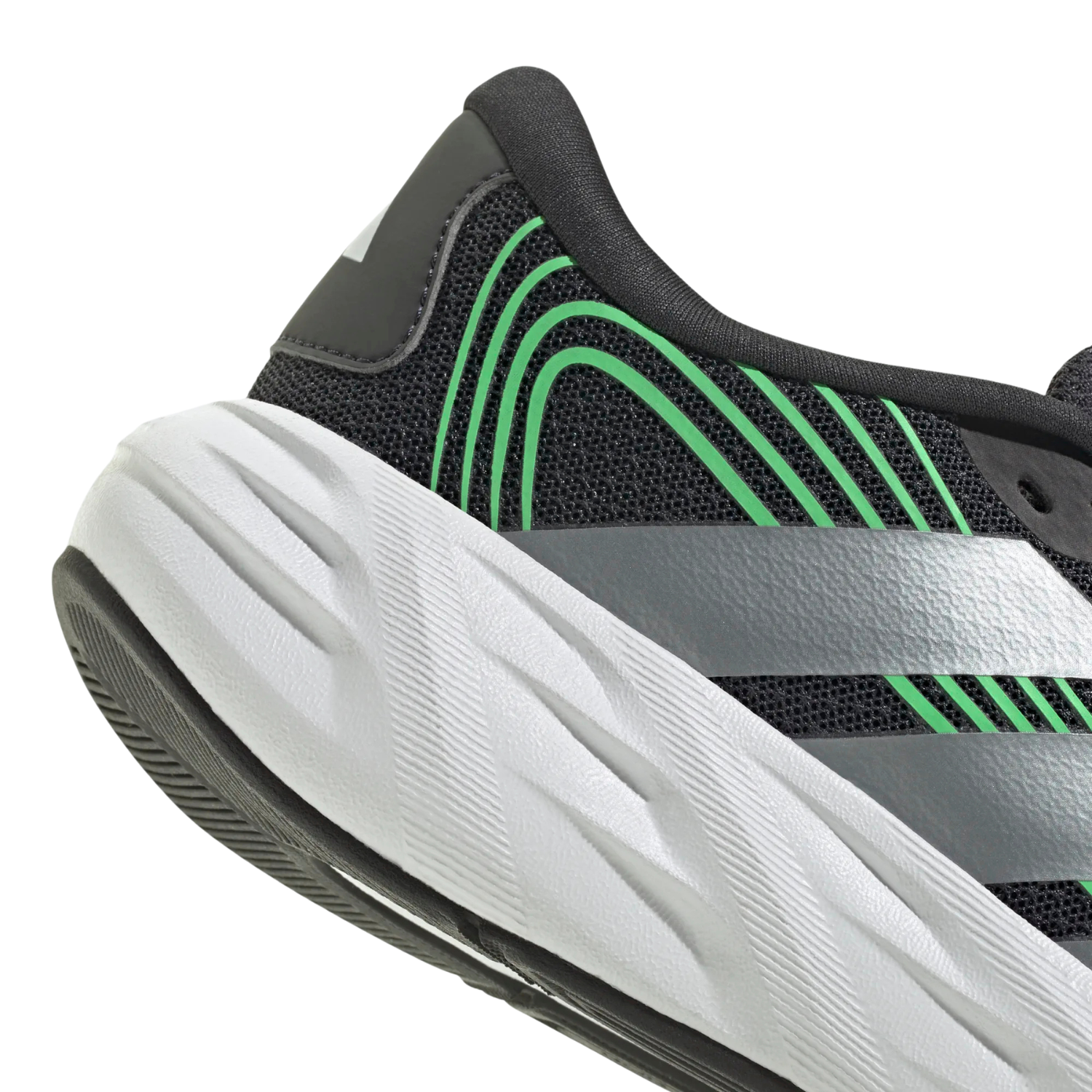
Tennis Shoes vs Running Shoes: Can You Play Tennis in Running Shoes?
Quick answer: you can play a casual, occasional game of tennis in running shoes, but you shouldn't make a habit of it. Running shoes are built for forward motion only, while tennis involves constant lateral movement, sudden stops and quick direction changes — exactly what running shoes aren't designed to support, raising your risk of rolled ankles and other injuries.
Why the difference matters
Running shoes are optimised for repeated forward motion: cushioned heel-to-toe rolling, soft midsoles for shock absorption, and minimal lateral (side-to-side) support since running rarely demands it. Tennis is almost the opposite — constant side-to-side shuffling, sudden stops, explosive direction changes and lateral lunges for wide shots.
What tennis shoes are actually built for
Lateral support: reinforced side panels and a wider, more stable base to support the foot during sideways movement and sudden direction changes.
Durability where it matters: reinforced toe and outer edges to withstand the dragging and scuffing that comes from sliding and pivoting on court.
Outsole pattern: herringbone or modified patterns designed for grip and controlled slide on hard and clay courts, rather than the deep tread of a running shoe designed for outdoor terrain.
Lower, more stable platform: less cushioning height than running shoes, keeping your foot closer to the ground for better stability during quick changes of direction.
The risk of playing tennis in running shoes
Running shoes typically break down quickly on court — the soft outsole wears through fast from lateral scraping it wasn't built for, and the lack of lateral support increases the risk of rolling an ankle during a hard cut or lunge. The higher, softer cushioning that feels great for running can actually feel unstable underfoot during quick tennis movements.
When running shoes are fine
A single social hit or casual rally now and then in running shoes won't cause harm. The risk comes from regular play — if you're stepping onto court more than occasionally, the extra ankle support and durability of proper tennis shoes quickly pays for itself in both performance and injury prevention.
Our recommendation
If you're playing tennis regularly — even just once a week — invest in a proper tennis shoe matched to your court surface (hard court, clay or all-court). It's one of the few pieces of kit where the difference isn't just about performance, it's about protecting your ankles and knees over the long run.
Shop this guide at Central Tennis
All in stock now, with expert stringing and racket fitting available in store.
Yonex Lumio 4 Tennis Shoes Men
from £32.00
adidas GameCourt 2 Tennis Shoes Women
from £39.99
Wilson Rush Pro Extra Duty Tennis Shoes Men
from £75.00
Browse more: Tennis shoes · Men's tennis shoes · Women's tennis shoes · Clay court essentials
Not sure what suits your game? Talk to our team — we fit, string and demo rackets every day.
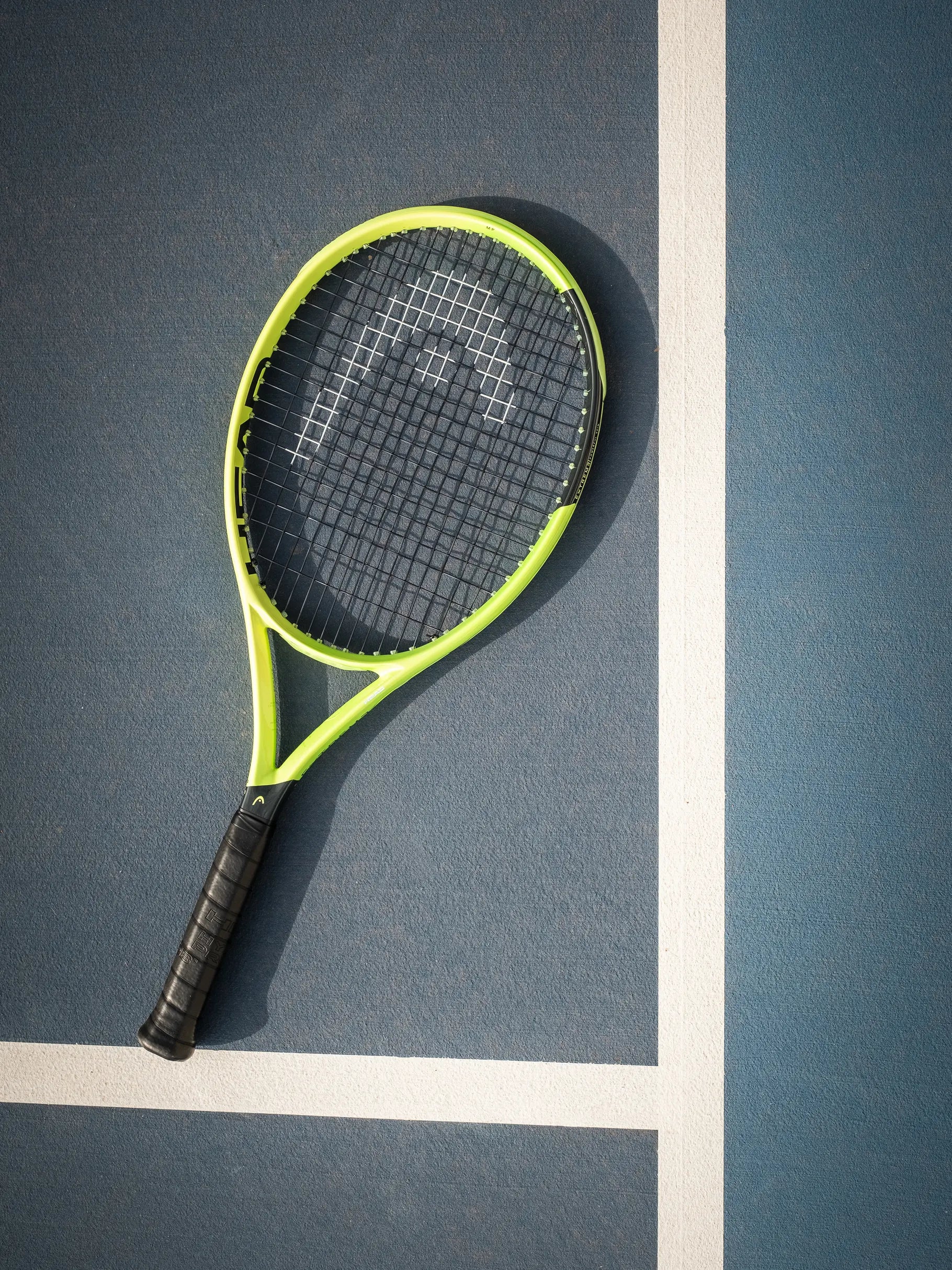
Best Tennis Rackets for Women (2026)
Quick answer: the right racket depends on your swing speed and strength, not your gender — but many women players (and plenty of men) do well with lighter, more forgiving, power-oriented frames such as the Wilson Clash, Babolat Pure Drive, Yonex EZONE and Head Radical, especially in lighter or "Team"/"S" spec versions.
Spec matters more than marketing labels
Racket brands market some frames "for women", but the physics don't care about gender — what matters is your swing speed, strength and playing style. A player with a fast, technical swing (of any gender) usually prefers a heavier, more control-oriented frame, while a player still building power and racket-head speed usually benefits from a lighter, more forgiving frame.
What to look for if you want easy power and comfort
Weight: 260g-285g strung is a common comfortable range for players still building strength and swing speed.
Head size: 100-105 sq in gives a larger, more forgiving sweet spot.
Balance: a more head-heavy or even balance helps generate power without needing a fast swing.
String pattern: an open 16x19 pattern adds easy spin and power.
Popular options
Wilson Clash 100: known for exceptional comfort and flex, forgiving on off-centre hits.
Babolat Pure Drive: one of the most popular power frames on the market, easy pace with minimal effort.
Yonex EZONE 100: comfortable, all-round frame with a plush feel.
Head Radical S: a lighter, more forgiving version of the popular Radical line.
If you're a more advanced or powerful player
Don't default to a "lightweight" frame just because it's marketed that way — if you already generate good racket head speed and power, a heavier, more control-oriented frame (Pure Aero, Pro Staff, VCORE Pro) may suit your game far better regardless of how it's marketed.
Our recommendation
Choose based on your swing speed and comfort in hand, not the label on the box — demo a couple of frames across different weight classes before committing, since the right spec for your game matters far more than any gendered marketing category.
Shop this guide at Central Tennis
All in stock now, with expert stringing and racket fitting available in store.
Wilson Intrigue 105 SE 280g Tennis Racket
from £96.00
Yonex EZONE 100L 2025 285g Tennis Racket
from £192.00
Yonex EZONE Ace 2025 260g Strung Tennis Racket
from £100.00
Browse more: Tennis rackets · Power tennis rackets · Women's tennis shoes
Not sure what suits your game? Talk to our team — we fit, string and demo rackets every day.
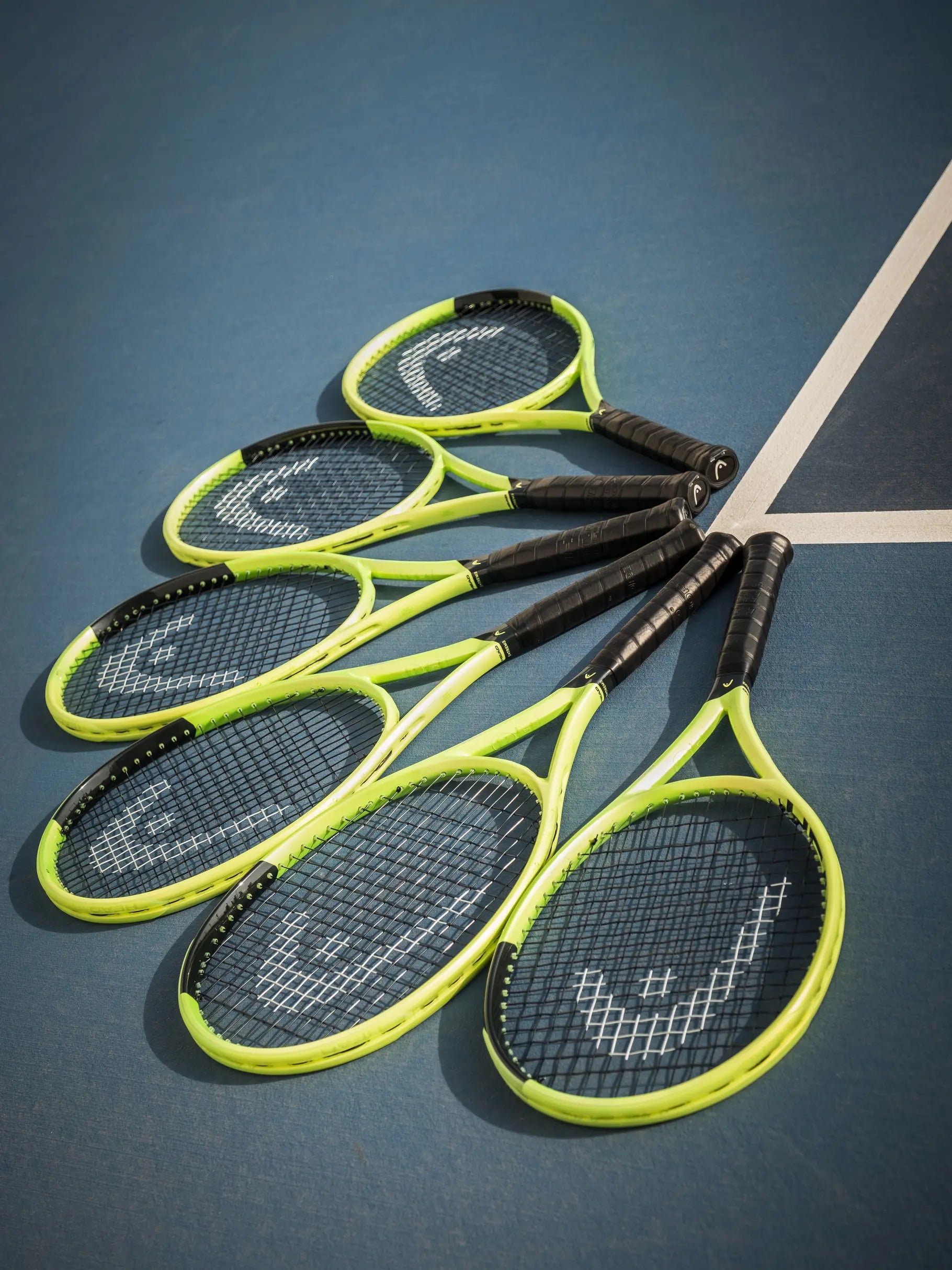
Best Tennis Rackets for Advanced Players (2026)
Quick answer: advanced players generally want a heavier, more head-light, control-oriented frame with a smaller-to-mid head size (95-100 sq in) and a denser string pattern for precision. Strong 2026 options include the Wilson Pro Staff line, Babolat Pure Strike and Pure Aero, Yonex VCORE Pro and Percept, and Head Prestige and Speed Pro.
What changes at the advanced level
As swing speed, timing and shot-shaping ability improve, most advanced players trade the forgiveness and easy power of beginner and intermediate frames for more control, feel and manoeuvrability. That usually means a heavier racket (300g+ strung), a more head-light balance, a smaller-to-mid head size, and a denser string pattern.
Key specs to look for
Weight: 300g-315g strung is typical for advanced frames, giving stability on both defense and full-swing shots.
Head size: 95-100 sq in balances control with a workable sweet spot; smaller heads (below 95) suit players with very fast, technically sound swings.
Balance: head-light frames (typically 4-9 points head light) give faster racket head speed for volleys and quick exchanges.
String pattern: 18x20 or tighter 16x19 patterns are common, trading a little spin for more precision and control.
Notable 2026 options by playstyle
All-round control: Wilson Pro Staff 97/97L — classic control-first frame with a loyal following among serious club and competitive players.
Aggressive baseline/spin: Babolat Pure Aero — heavy topspin generation for players with fast, full swings.
Precision and touch: Babolat Pure Strike, Yonex Percept — control-leaning frames that reward clean technique.
Comfort with control: Yonex VCORE Pro — blends Yonex's engineering comfort with a more advanced, control-oriented spec.
Classic precision: Head Prestige — among the most control-focused frames on the market, popular with technically advanced players.
Modern spin and manoeuvrability: Head Speed Pro — a step up in weight and stability from the standard Speed line.
How to choose between them
Demo before you commit — advanced-level frames differ enough in feel that specs alone won't tell you which is right. If you naturally generate your own power, prioritise control-first frames (Pro Staff, Prestige, Pure Strike). If you rely more on the racket to help generate pace and spin, look at Pure Aero, VCORE Pro or Speed Pro instead.
Our recommendation
Match the racket to your game style rather than chasing a "best" frame in isolation — an advanced control frame in the wrong hands can feel like hard work, while the right spec in your hands should feel like an extension of your swing.
Shop this guide at Central Tennis
All in stock now, with expert stringing and racket fitting available in store.
Yonex Percept 97 310g Tennis Racket
from £165.75
Wilson Blade 98 18x20 V10 2026 Tennis Racket
from £219.99
Babolat Pure Aero 98 2026 Tennis Racket
from £260.00
Browse more: Control tennis rackets · 18x20 control frames · Sub-97 in² player's frames
Not sure what suits your game? Talk to our team — we fit, string and demo rackets every day.
How Much Does It Cost to Restring a Tennis Racket in the UK?
Quick answer: in the UK, expect to pay roughly £15-£25 for labour alone, plus the cost of string itself — anywhere from around £8 for basic synthetic gut to £25+ for premium multifilament, natural gut or co-poly. All-in, a typical restring lands somewhere between £20 and £45, depending on string choice and where you get it done.
What makes up the total cost
A restring price has two parts: the stringing labour and the string itself. Labour tends to be fairly consistent between independent stringers and racket shops, while string cost varies a lot depending on the type and brand you choose.
String type affects price the most
Synthetic gut: the budget option, usually the cheapest string on the wall, good for beginners or frequent stringers who go through sets quickly.
Multifilament: mid-range, designed to mimic the comfort of natural gut at a lower cost, popular with players who want arm-friendly power.
Polyester (co-poly): mid-to-premium, favoured by advanced and competitive players for control and spin, but stiffer and generally needs restringing more often since it loses tension faster.
Natural gut: the most expensive option by a distance, prized for feel and comfort, typically chosen by players who prioritise touch over price.
Other factors that affect price
Where you get strung matters. Independent stringers and specialist racket shops often charge less for labour than a generic sports shop, and many offer faster turnaround. Racket string pattern and tension can also add time (and sometimes cost) — dense patterns and unusual tensions take a little longer to string accurately. Same-day or express turnaround is sometimes charged at a premium.
How often you'll need it
A simple rule of thumb: restring as many times a year as you play per week. A once-a-week player should restring roughly once a year; someone playing most days may need it every month or two, especially with polyester strings which lose tension fastest.
How to keep costs down
Buy string sets or reels rather than paying premium per-string-job pricing if you restring often.
Ask about bundle pricing if you're restringing multiple rackets at once.
Consider a hybrid setup (a cheaper string in the crosses, premium in the mains) to get some of the feel benefits of pricier string at a lower overall cost.
Our recommendation
If you're unsure where to start, synthetic gut or a mid-range multifilament covers most recreational players well at a sensible price point. Save polyester and natural gut for once you know your game well enough to feel the difference — and always ask your stringer what tension they'd recommend for your racket and playing style.
Shop this guide at Central Tennis
All in stock now, with expert stringing and racket fitting available in store.
Professional Tennis Polyester Restring
from £26.00
Professional Tennis Synthetic / Multifilament Restring
from £26.00
Tennis Racket 'Bronze' Service MOT
from £20.00
Browse more: Racket stringing and servicing · Tennis strings · Tennis rackets
Not sure what suits your game? Talk to our team — we fit, string and demo rackets every day.