
Tennis Blog
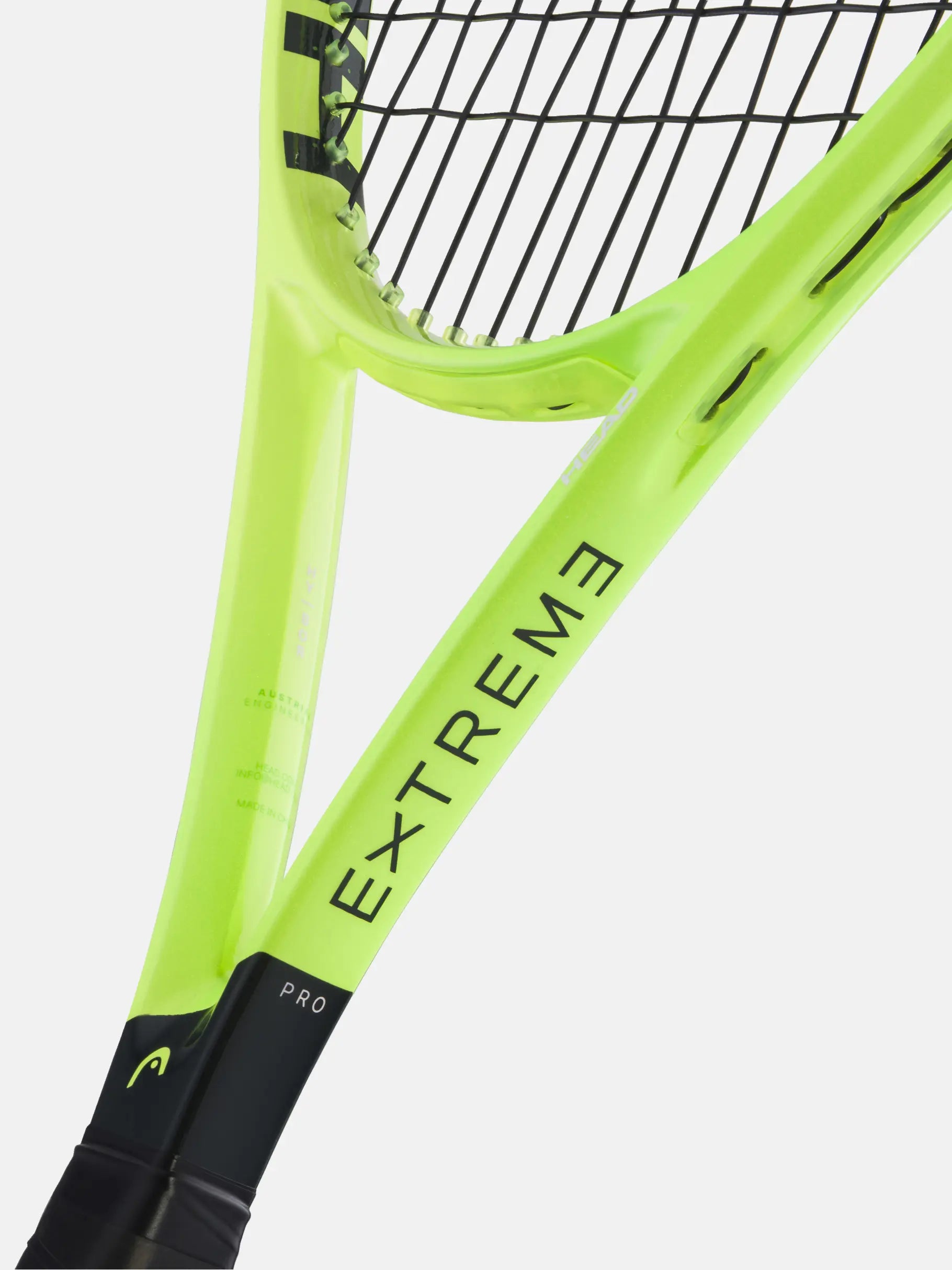
Control vs Power vs Spin Tennis Rackets: Which Type Is Right for You?
Quick answer: these are loose marketing categories, not strict engineering terms, but they are a genuinely useful shortcut. Power frames add free pace for players who need it. Control frames reward players who generate their own power and want precision. Spin (or "tour") frames are tuned for players with fast, heavy topspin swings.
Power rackets
Typically larger heads (105 sq in+), lighter weight, and a stiffer, more head-heavy build. The bigger stringbed and stiffer frame do more of the work for you, adding pace and forgiveness on contact without requiring a long, fast swing. Best suited to beginners, players returning to the game, and anyone who wants the racket to do more of the heavy lifting.
Control rackets
Smaller to mid-size heads (95–100 sq in), heavier, head-light, usually paired with a denser 18×20 string pattern and a more flexible frame. These give up some free power in exchange for precision and feel — the racket goes exactly where you point it, but you need your own swing speed to generate pace. Favoured by advanced and tournament-level players who already generate their own power and prioritise placement.
Spin (or "tour") rackets
Usually a 98–100 sq in head with an open 16×19 pattern, often on the stiffer side for extra pop. This combination is built for players with fast, heavy topspin swings — the open pattern maximises string movement and spin, while the stiffness adds pace on top. This is the dominant category among current tour-style frames used by modern baseline players.
The categories blur more than the marketing suggests
Very few rackets are pure power, pure control or pure spin — most blend traits, and manufacturers use these labels as a rough signpost rather than a strict formula. Two "control" rackets from different brands can play noticeably differently despite sharing the label.
Matching the category to your game
Slower swing, want the racket to help generate pace: power category.
Fast swing, hit with heavy topspin, want a spin-friendly stringbed: spin/tour category.
Fast swing, prioritise precision and feel over free power: control category.
Not sure yet: most improving club players land happily in a mid-weight, midplus frame that borrows a bit from all three.
Our recommendation
Use the category as a starting point for narrowing down a demo list, not as the final decision — swing speed, arm comfort and simply how a frame feels in your hand on the day matter more than the label on the throat. Come in and hit with two or three from different categories before committing.
Shop this guide at Central Tennis
All in stock now, with expert stringing and racket fitting available in store.
Yonex EZONE 100L 2025 285g Tennis Racket
from £192.00
Babolat Pure Drive 100 300g Gen11 Tennis Racket
from £179.00
Yonex Percept 97 310g Tennis Racket
from £165.75
Browse more: Tennis rackets · Power tennis rackets · Control tennis rackets · Spin tennis rackets
Not sure what suits your game? Talk to our team — we fit, string and demo rackets every day.
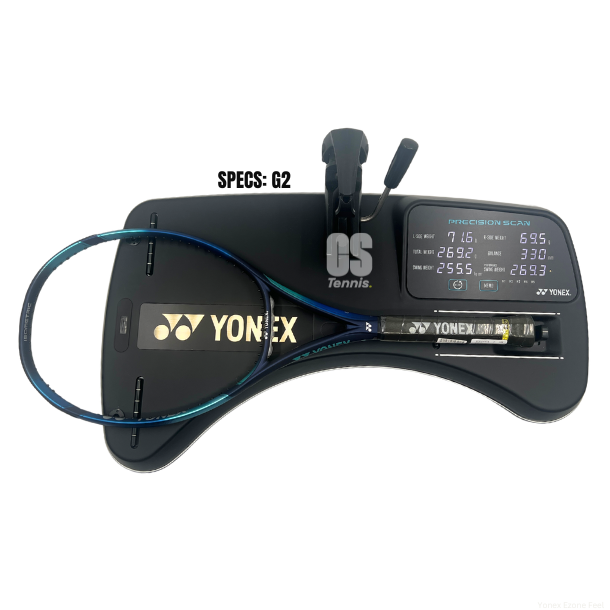
Tennis Racket Stiffness Explained: RA Rating, Power & Arm Comfort
Quick answer: RA rating measures how much a frame flexes on contact, typically 55–75 for adult rackets. A stiffer frame (higher RA) flexes less, returning energy faster for more effortless power — but transmits more shock to your arm. A more flexible frame (lower RA) absorbs more shock into the frame itself, giving a more comfortable, controlled feel at the cost of some raw power.
Reading the RA scale
Below 60 (flexible): the most comfortable, arm-friendly end of the scale. Popular on control and touch-oriented frames.
60–67 (medium): where most all-round club and intermediate frames sit — a workable balance of comfort and pop.
68 and above (stiff): maximum power and a crisp, solid feel on contact, but the least forgiving on the arm, especially over long sessions.
Why stiffness matters for arm comfort
Every time the ball hits the strings, energy has to go somewhere: into the ball, into the frame's flex, or into your arm. A flexible frame absorbs more of that energy into its own bend before it reaches your hand, cushioning the impact. A stiff frame barely flexes at all, so more of that shock passes straight through to your wrist, elbow and shoulder — one of the most common contributing factors in tennis elbow.
Stiffness is not the same as power from head size
It is easy to conflate stiffness with head size, but they are separate specs. A small-headed frame can still be quite stiff, and a large-headed frame can be built flexible. Always check RA rating on its own if arm comfort is a priority — do not assume a smaller head automatically means a softer feel.
Offsetting a stiff frame (or a flexible one)
String choice and tension can shift the felt stiffness of any racket within a limited range. A softer multifilament or natural gut string, strung a touch looser, will noticeably soften the ride of a stiffer frame. Conversely, a stiff polyester strung tight on an already stiff frame is the combination most likely to aggravate arm problems.
Matching stiffness to your needs
History of tennis elbow, wrist or shoulder issues: RA 60–65, paired with a multifilament or hybrid string at a moderate tension.
No arm concerns, want maximum effortless power: RA 68+ is worth exploring, ideally demoed first.
Most club players: RA 62–67 covers the vast majority of frames and suits most games without extremes in either direction.
Our recommendation
If you have ever experienced elbow or wrist discomfort, treat RA rating as seriously as head size or weight when choosing a racket — it is one of the biggest levers you have over long-term arm health, and it is rarely printed clearly on the frame itself, so ask us to check it before you buy.
Shop this guide at Central Tennis
All in stock now, with expert stringing and racket fitting available in store.
Yonex EZONE 100L 2025 285g Tennis Racket
from £192.00
Yonex Multi-Sensa 1.25mm Multifilament String Set
from £10.96
Wilson Clash 100L V3 280g Unstrung Tennis Racket
from £148.00
Browse more: Tennis rackets · Multifilament tennis strings · Supports and braces
Not sure what suits your game? Talk to our team — we fit, string and demo rackets every day.
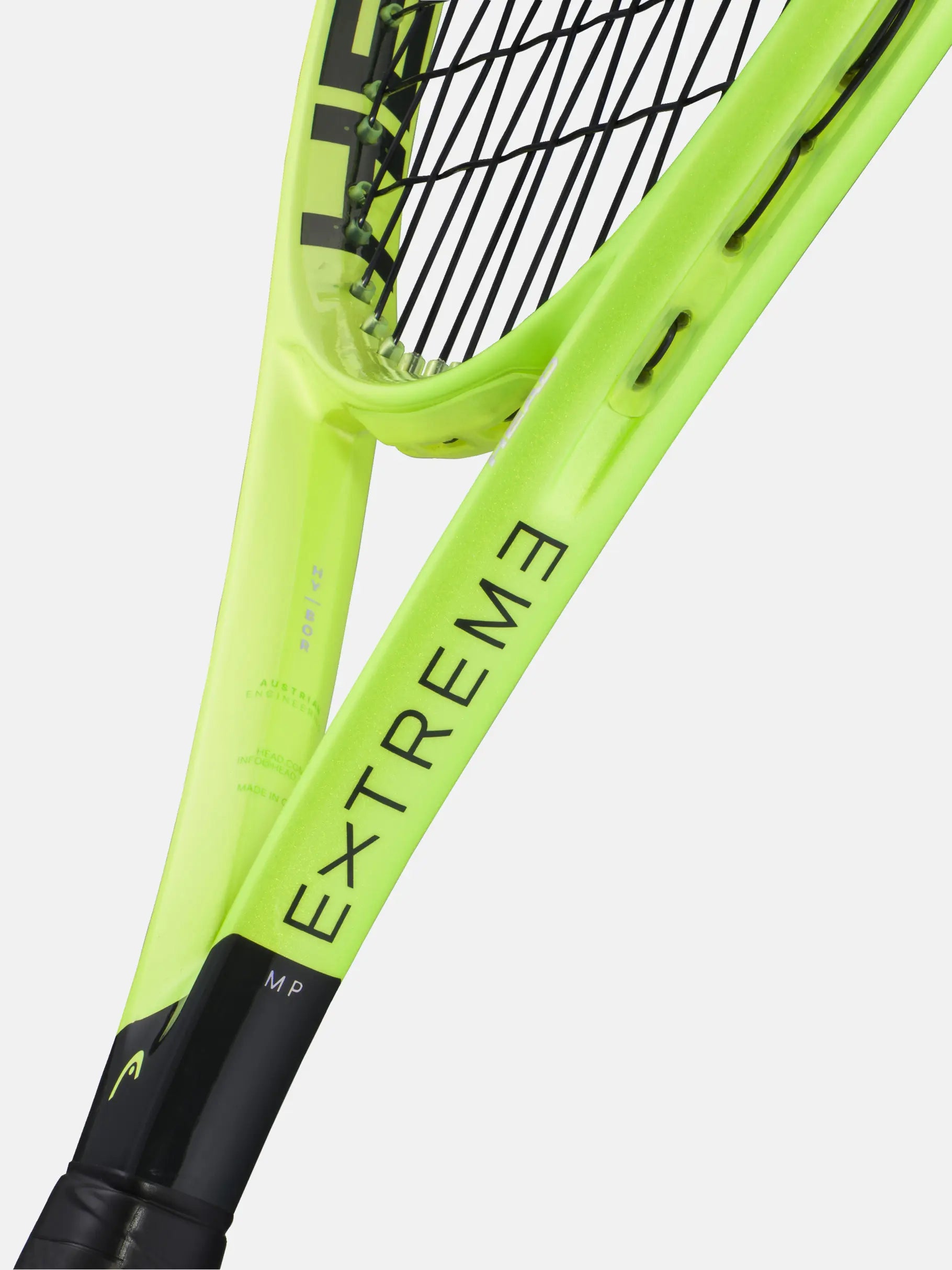
When to Replace Your Tennis Racket: Signs It's Time for a New One (2026 Guide)
Quick answer: a racket does not wear out on a fixed schedule, but the frame does fatigue with age and use. Visible cracks are an immediate stop-use signal; a "dead" feel, worn grommets and outgrowing your current spec are the more common, less obvious signs it is time to move on.
Stop using it immediately if you see this
Any visible crack in the frame — especially near the throat or around the head — is a structural failure risk. Continuing to play (and especially to string) a cracked frame can cause it to fail completely under tension or impact. Paint chipping alone is cosmetic and not a reason to stop, but a crack underneath is.
The less obvious signs
The frame feels "dead": graphite and resin layups lose a small amount of stiffness and responsiveness over years of repeated impact — the racket increasingly feels muted or flat compared to when it was new, even with fresh string.
Worn or missing grommets: the small plastic tube lining the string holes protects the string from the sharp edge of the frame. Once grommets crack or fall out, strings cut against bare graphite and break prematurely at the same spot every time.
Repeated breaks at the same access point: if strings keep snapping in the same place near the frame edge rather than in the centre of the stringbed, worn grommets or a rough frame edge are usually the cause.
You have outgrown it: this is not damage — it is progress. A player whose technique and level have moved beyond their current spec often benefits more from a racket change than any other single equipment upgrade.
How long does a racket actually last?
For a casual player hitting once a week, a well-looked-after frame can perform well for many years, sometimes a decade or more, with no meaningful performance loss. For a player training three or more times a week, expect the frame's peak performance to start fading somewhere between three and five years, even without any visible damage.
What does not mean you need a new racket
Scuffed paint, faded cosmetics, or a scratched throat guard are all purely visual. If the frame is structurally sound, feels the same as when new, and grommets are intact, cosmetic wear alone is not a reason to replace it.
Our recommendation
If you are unsure whether a racket has genuinely faded or you have simply improved past it, bring it in for a quick check — a stringer can spot grommet wear and frame flex issues in a couple of minutes, and demoing a current-generation frame next to your old one usually makes the difference obvious immediately.
Shop this guide at Central Tennis
All in stock now, with expert stringing and racket fitting available in store.
Yonex EZONE 100L 2025 285g Tennis Racket
from £192.00
Babolat Pure Drive 100 300g Gen11 Tennis Racket
from £179.00
Yonex Percept 97 310g Tennis Racket
from £165.75
Browse more: Tennis rackets · Power tennis rackets · Control tennis rackets · Spin tennis rackets
Not sure what suits your game? Talk to our team — we fit, string and demo rackets every day.
Guides
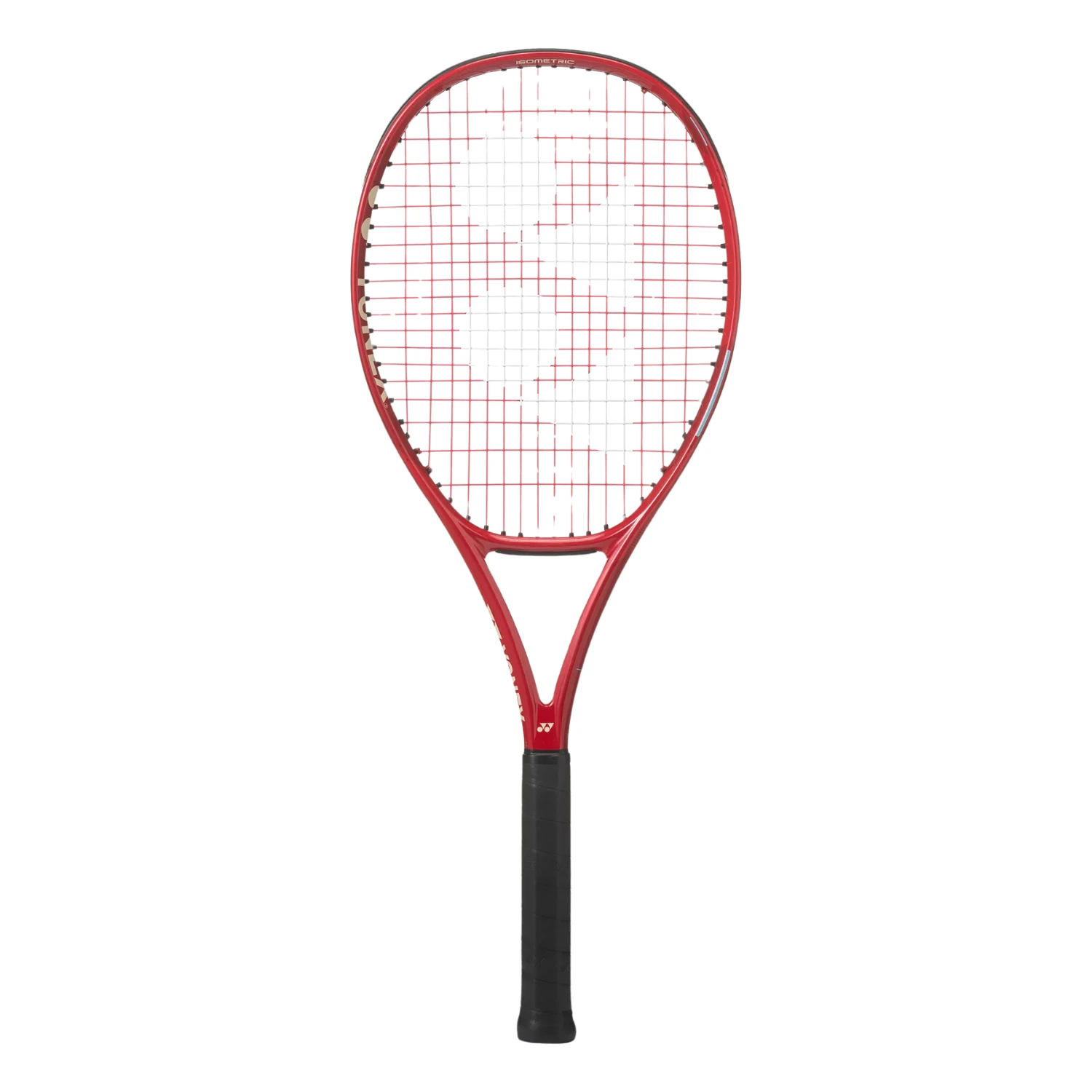
Yonex vs Babolat vs Wilson vs Head: Tennis Brand Guide
How the big four tennis racket brands differ in feel, power and who they suit. Pick the right brand for your game. Central Tennis.
Guides
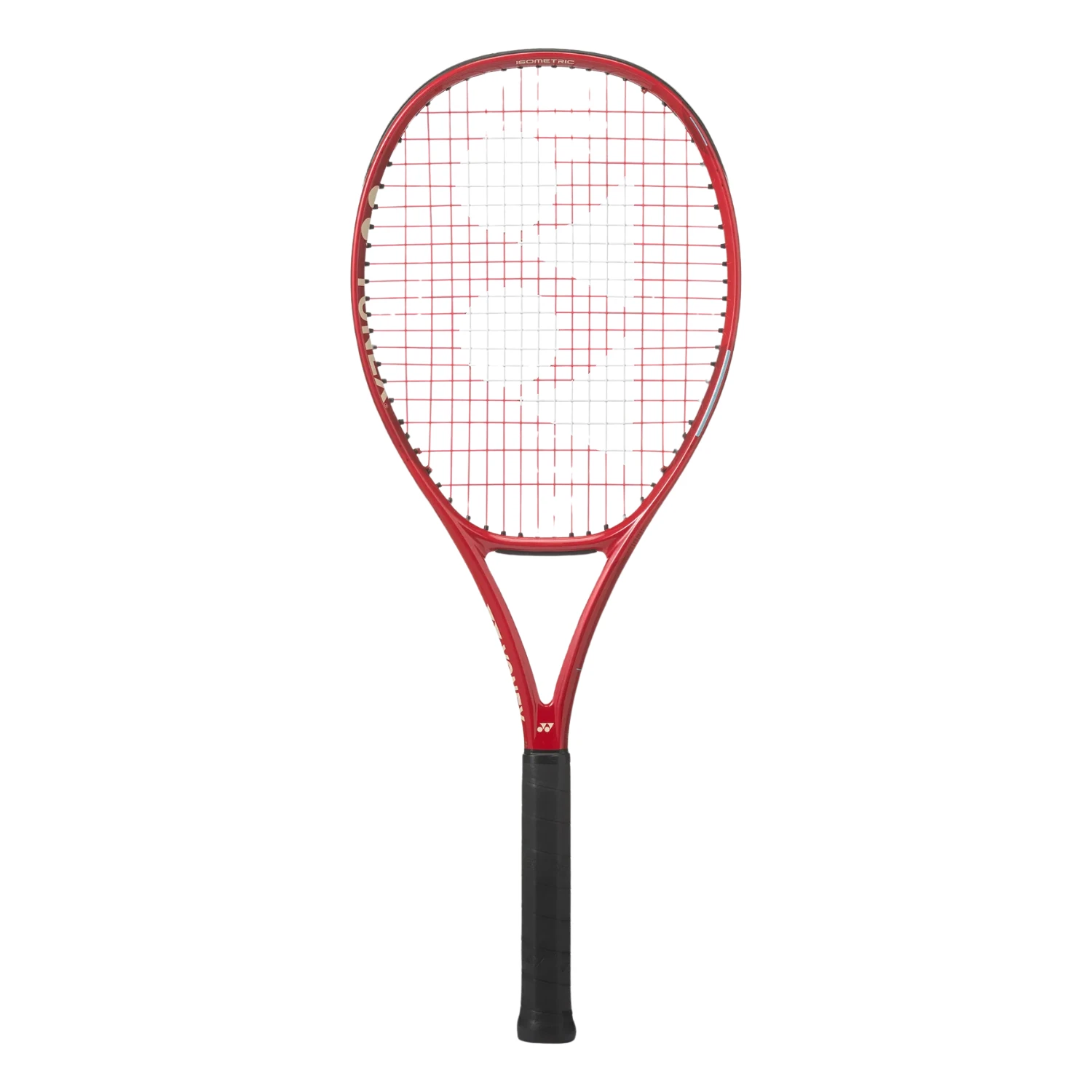
Tennis Kit: What You Need to Start Playing (UK Beginner Checklist 2026)
What's in a tennis kit? The beginner checklist: racket, shoes, balls, clothing and extras, with UK prices and in-stock picks from Central Tennis.
Guides
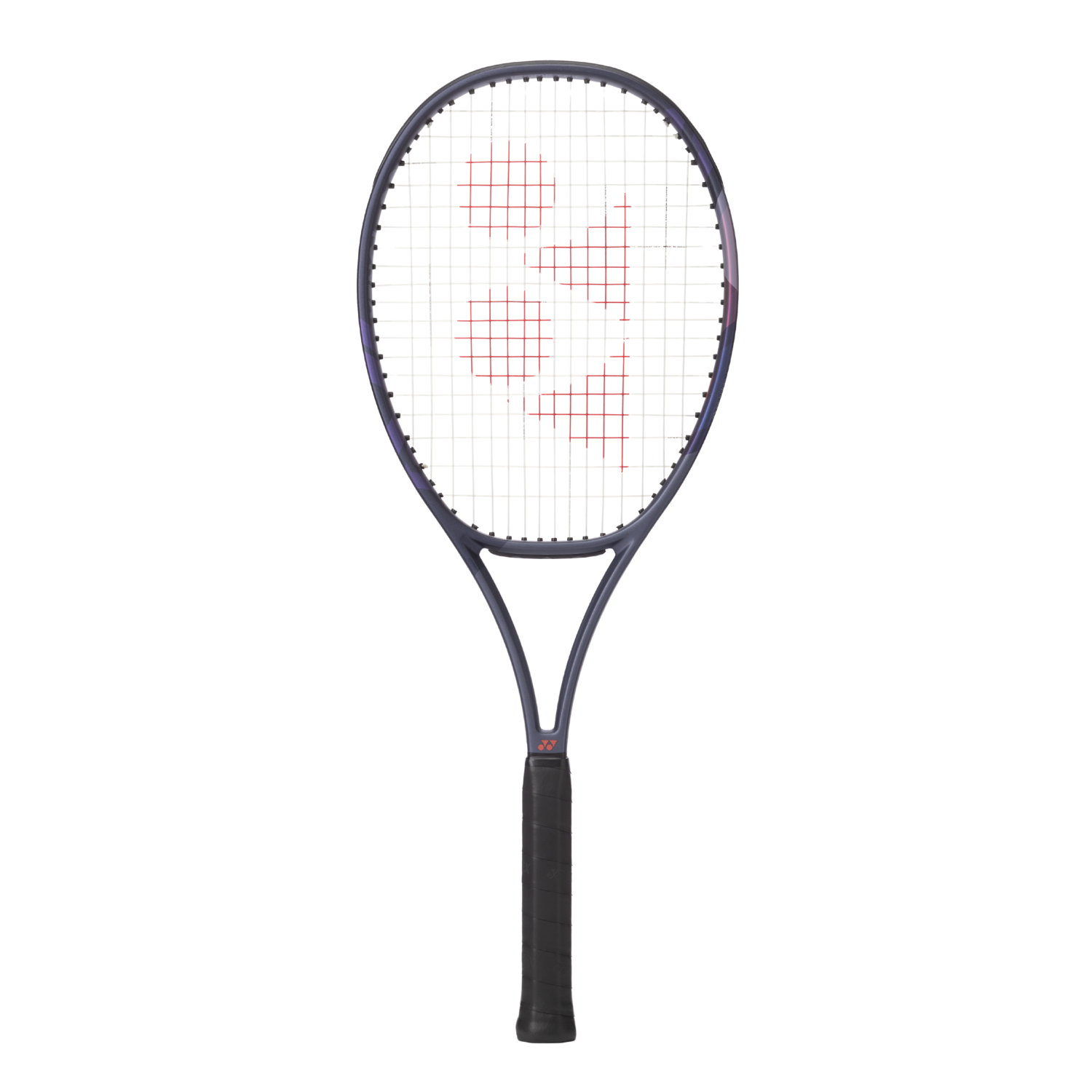
Wimbledon Gear Guide: Play Like Your Favourite Player
Inspired by Wimbledon? Our guide to the rackets, shoes and kit behind the pros — and how to get the look and feel. Central Tennis.
Guides
Best Tennis Rackets Used by the Pros 2026
Which rackets do the top pros actually use — and should you? A guide to pro rackets and their consumer versions. Central Tennis.
Guides
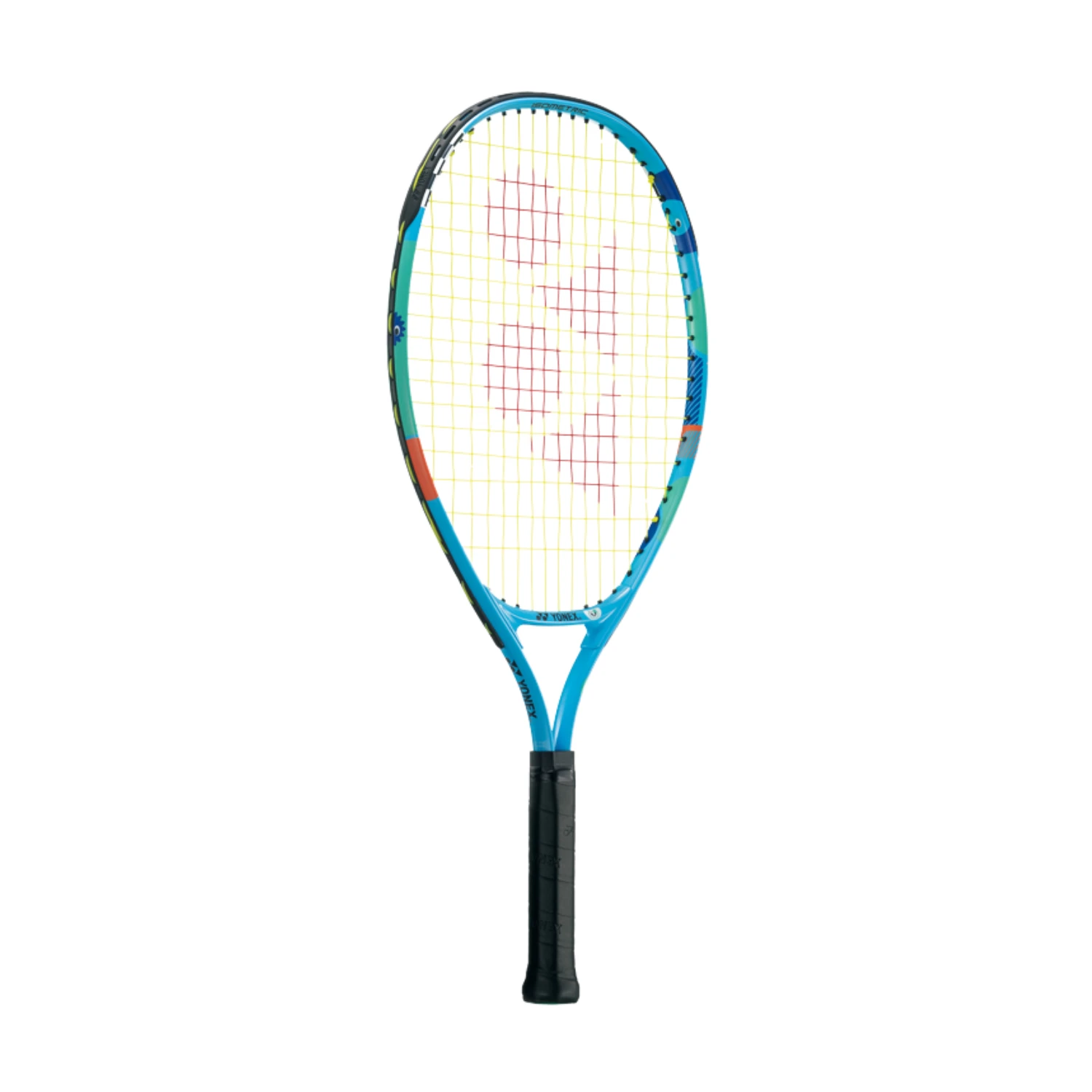
Tennis Racket Size Guide UK 2026: Junior & Adult Sizes
Tennis racket size guide for the UK: junior lengths by age and height, when to move to a 27in adult frame, and grip sizes L0-L5 explained.
SEO
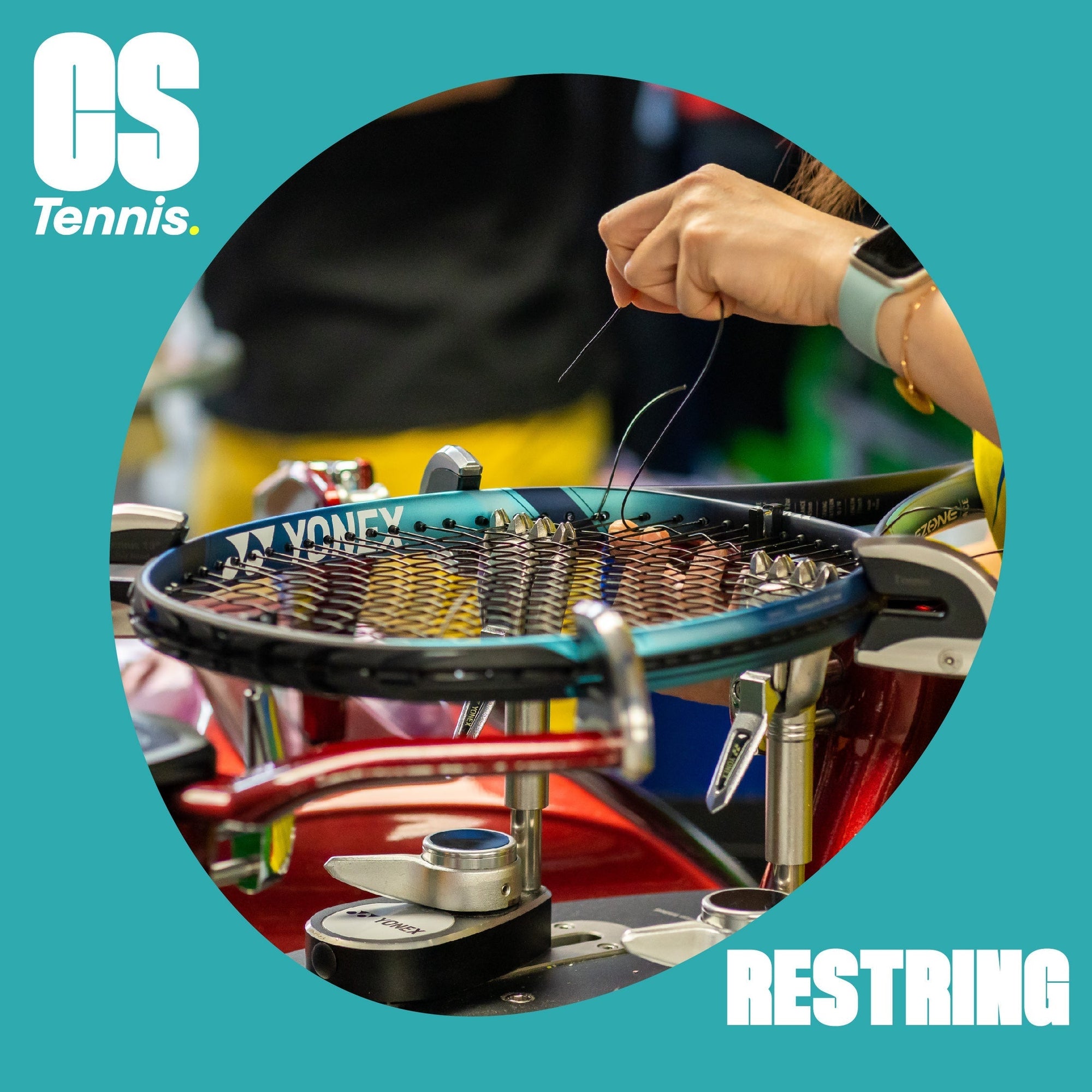
How Often Should You Restring Your Tennis Racket?
The simple rule for how often to restring, plus signs your strings are dead even if they haven't broken. Central Tennis.