
Tennis Blog
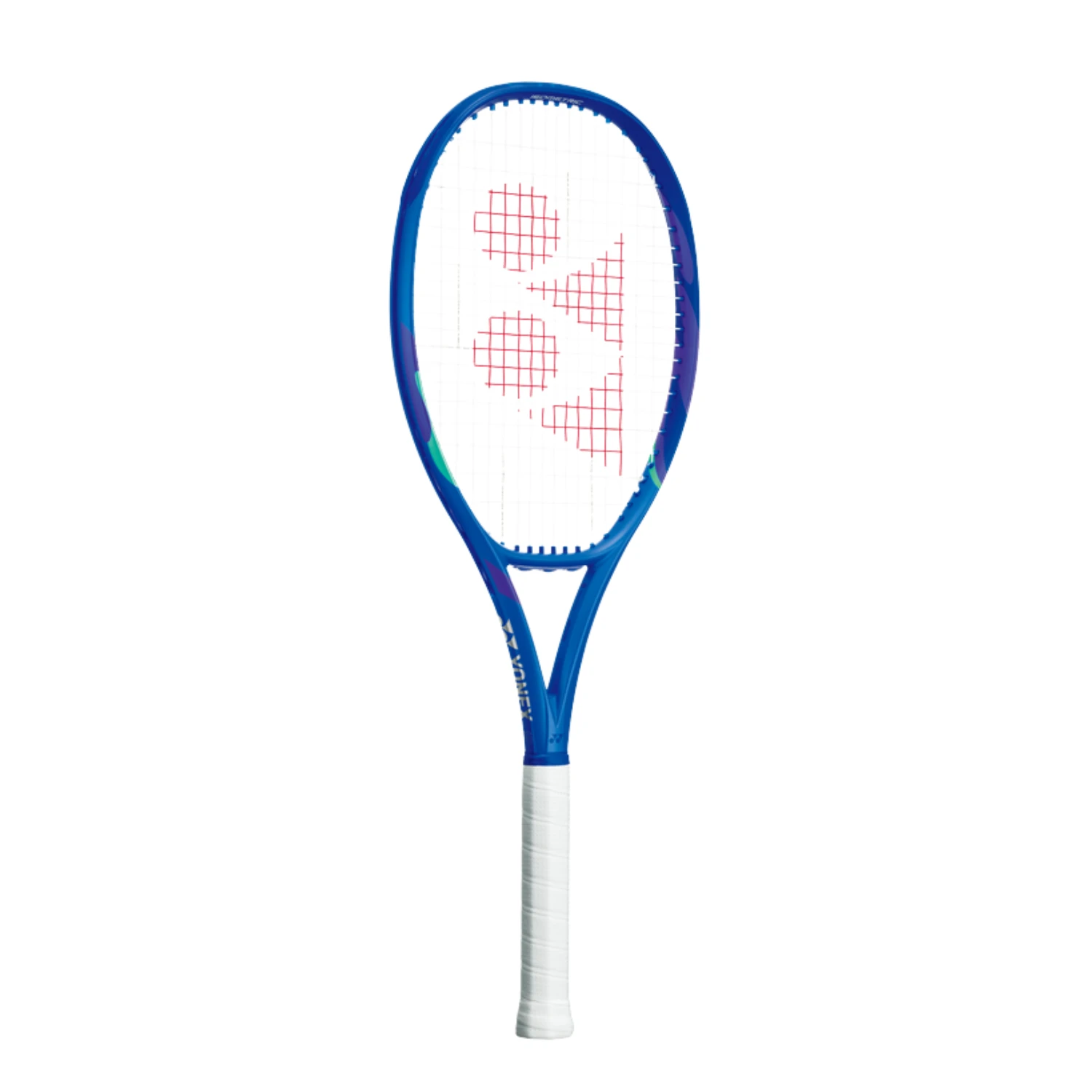
tennis racket head size
Tennis Racket Head Size & Weight Explained
How do head size and weight affect your tennis racket? Our UK guide breaks down power, control, forgiveness and stability so you choose the right frame.
tennis grip size
Tennis Racket Grip Size Guide: How to Measure & Choose
Not sure of your tennis grip size? Our UK guide shows how to measure, understand L0–L5 sizes, and choose the right grip. Expert advice from Central Tennis.
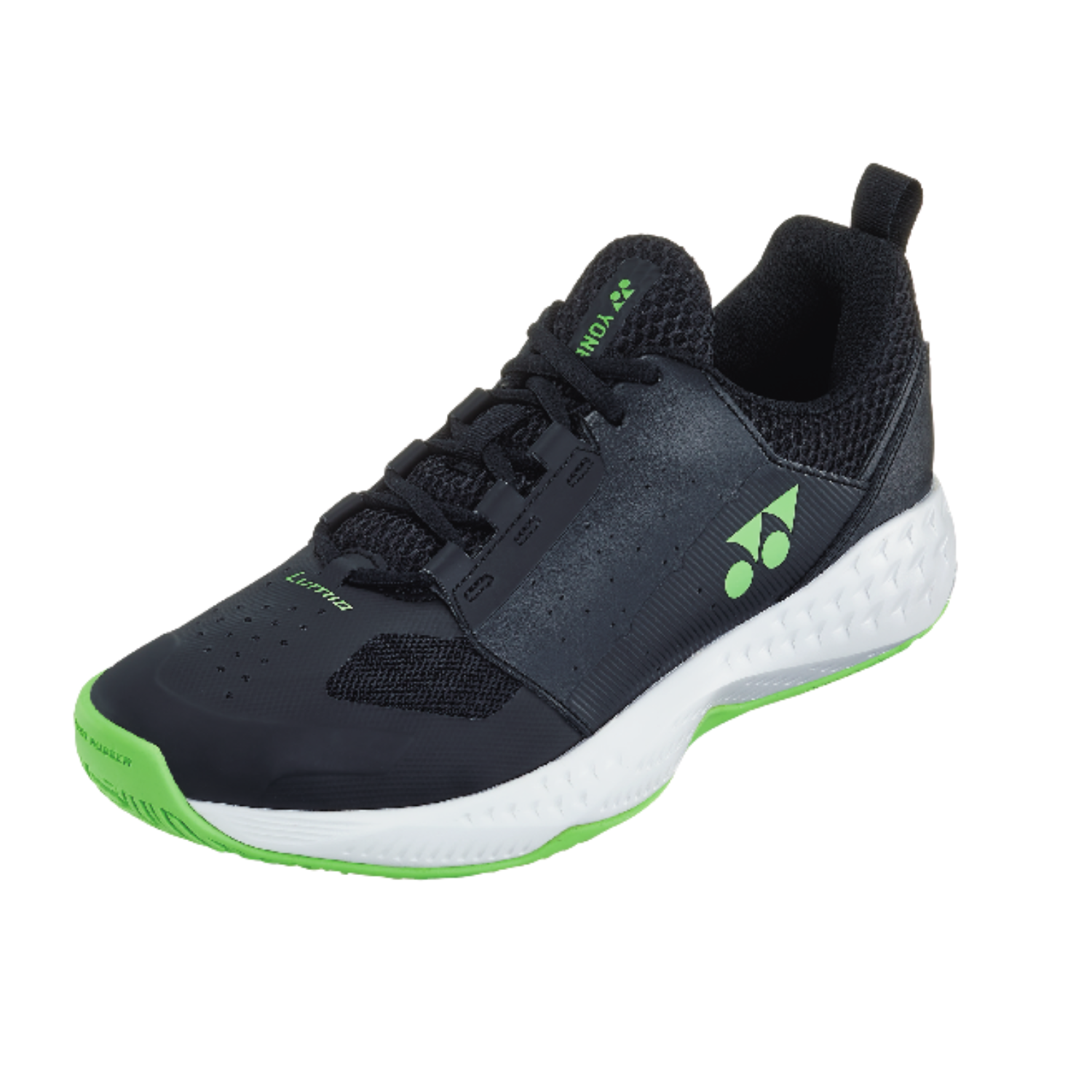
tennis shoes
Best Tennis Shoes by Court Surface: Hard, Clay & Grass
Choosing tennis shoes by court surface? Central Tennis explains hard-court, clay and grass outsoles so you get grip, support and durability where it counts.
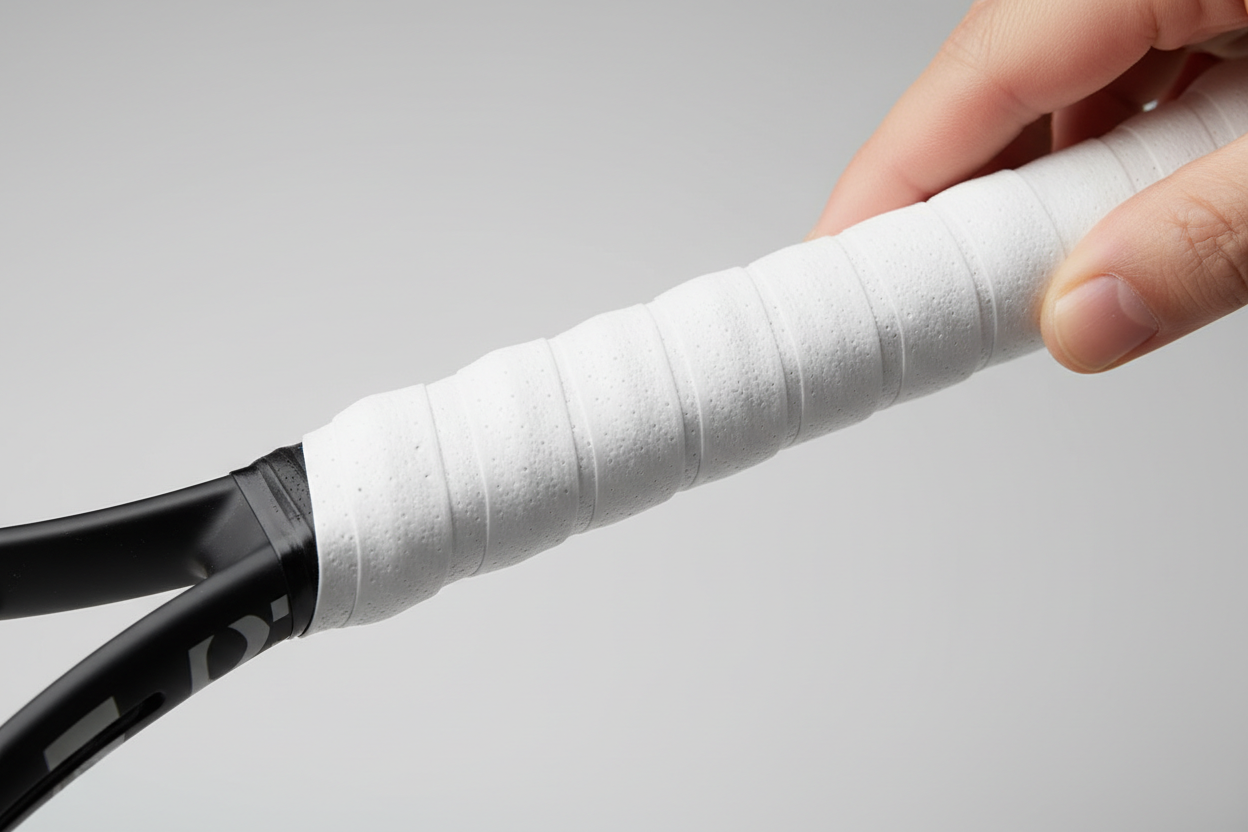
Tennis Overgrip vs Replacement Grip: What's the Difference & Which Do You Need?
A replacement grip replaces the base layer under your hand and is changed occasionally; an overgrip wraps on top for tack and sweat absorption and is changed frequently — often every few sessions. Most players use both together rather than one instead of the other.
Replacement grip
This is the base grip that comes on the racket handle and sits directly against the frame. It's thicker, more cushioned, and designed to last much longer — typically months rather than sessions. When it becomes worn, hardened or the handle feels too thin, it's time to remove and replace it entirely, which changes the handle's base feel and thickness.
Overgrip
A thin, tacky layer wrapped on top of the replacement grip (or directly on a worn base grip). Overgrips are cheap, quick to apply, and designed to be replaced often — some players change theirs every match, others every few weeks depending on how much they sweat and how often they play.
Why use both?
The replacement grip provides the underlying cushioning and handle shape; the overgrip provides fresh tack and sweat absorption without needing to strip and rebuild the whole handle. Using an overgrip on top also protects the more expensive replacement grip underneath, extending its life.
Signs you need to change one or the other
Overgrip: feels slick, smooth, or worn through in patches — usually within a few sessions for players who sweat heavily.
Replacement grip: the handle feels hard or thin, or the overgrip stops sitting properly on top even when fresh — time to strip it back and start over.
Our recommendation
Keep a stock of overgrips on hand since they wear out fast and are cheap to replace regularly. Save the full replacement grip change for when the underlying handle actually feels different underneath — for most players that's a few times a year rather than every session.
Shop this guide at Central Tennis
All in stock now, with expert stringing and racket fitting available in store.
Yonex AC102EX Wet Super Grap (Single)
from £1.96
Tourna Mega Tac Overgrips (2 Pieces)
from £3.99
Wilson Cushion Pro Replacement Grip (Single) - Black
from £5.31
Browse more: Grips · Replacement Grips · Tennis Accessories
Not sure what suits your game? Talk to our team — we fit, string and demo rackets every day.
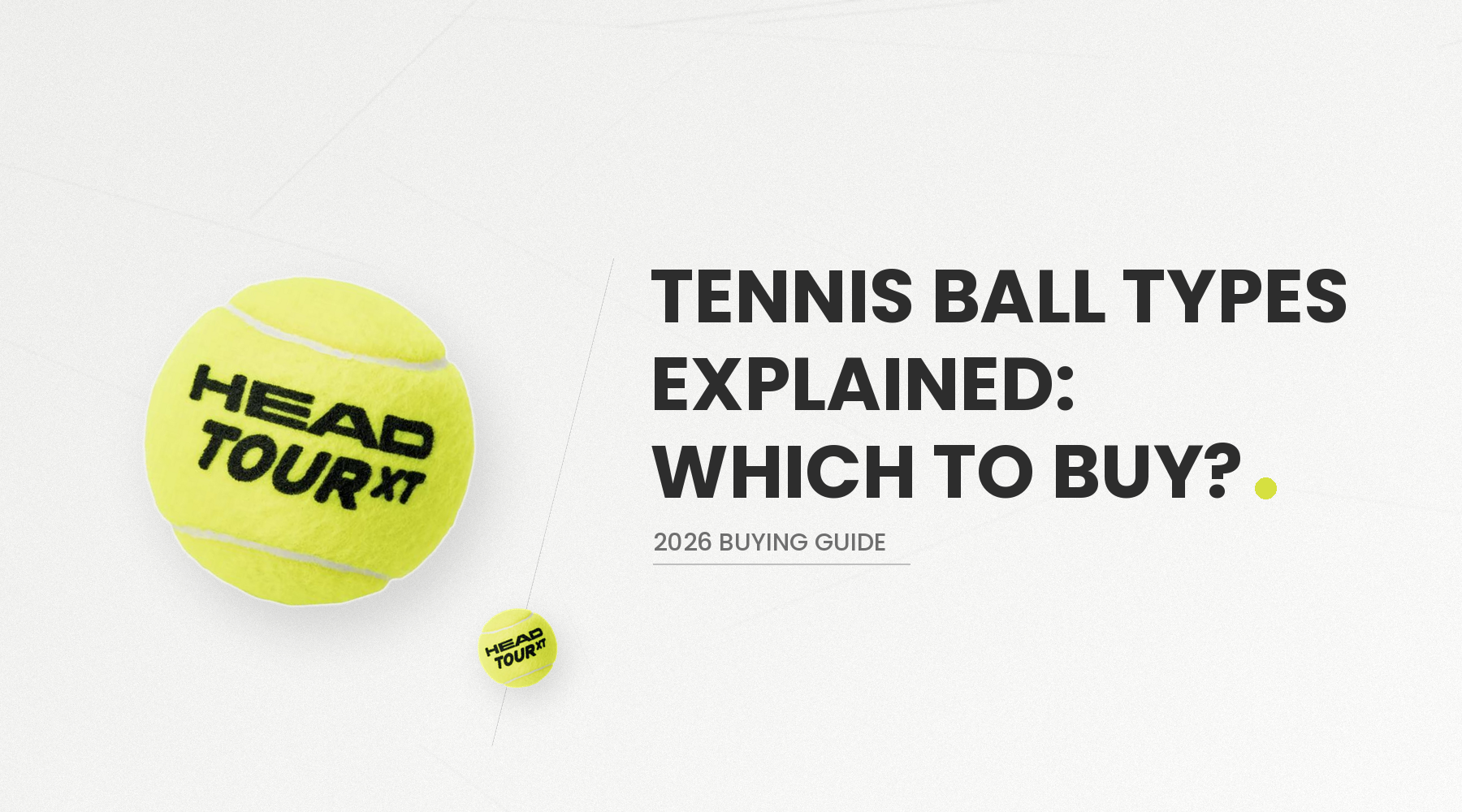
Tennis Ball Types Explained: Which Balls Should You Buy? (2026 Guide)
Tennis balls come in three main types — regular duty, extra duty, and high altitude — plus a stage system (red, orange, and green) for juniors learning the game. Extra-duty suits hard courts, regular-duty suits clay and indoor courts, and the right choice depends mainly on your court surface.
Regular duty vs extra duty
The core difference is felt thickness. Extra-duty balls have a thicker, more durable felt designed to withstand the abrasive surface of hard courts, where balls wear out fastest. Regular duty balls have a thinner felt suited to clay and indoor courts, where the surface is gentler, and a thicker felt would just add unnecessary fluffiness and slow the ball down.
High-altitude balls
Played at altitude, tennis balls travel faster through thinner air. High-altitude balls are pressurised differently to compensate, flying more like a normal ball would at sea level. Unless you regularly play somewhere significantly elevated, you won't need these.
Pressurised vs pressureless
Most balls used for regular play and matches are pressurised — they have a compressed air core that gives them liveliness, but they gradually lose pressure and bounce over time, even unopened. Pressureless balls rely on the rubber compound itself for bounce rather than internal air pressure, so they last far longer and are popular for ball machines, coaching, and practice sessions where consistency over months matters more than peak liveliness.
The junior stage ball system
Red stage: the softest, slowest ball, used on smaller courts for the youngest beginners.
Orange stage: a step-up-in-pace and bounce, used on a mid-sized court as juniors build technique.
Green stage: close to a full-pace ball but slightly slower, used as a bridge to full-size, full-pace tennis.
The stage system exists because a full-pace yellow ball moves too fast for beginners to track and control — starting on slower balls builds technique before speed becomes a factor.
Our recommendation
Match your ball to your court: extra duty for hard courts, regular duty for clay or indoor. If you're coaching or using a ball machine, pressureless balls save money over time. For juniors, follow the stage system rather than jumping straight to full-pace balls — it makes learning the game far easier.
Shop this guide at Central Tennis
All in stock now, with expert stringing and racket fitting available in store.
Head Tour Tennis Ball (4 Ball Tube)
from £5.48
Dunlop Fort Clay Tennis Ball - Yellow
from £6.23
Head T.I.P Green Stage 1 Tennis Ball (3 ball tube)
from £4.38
Browse more: Tennis Balls · Junior Tennis Balls · Tennis Rackets
Not sure what suits your game? Talk to our team — we fit, string and demo rackets every day.

Tennis Ball Colours Explained
Quick answer: almost every tennis ball used in organised play today is optic yellow (a fluorescent yellow-green), because it's the easiest colour for players, officials and TV cameras to track against most court surfaces and backgrounds. White was the standard until the 1970s but has been phased out at every serious level of the game.
Why yellow became the standard
Before the early 1970s, tennis balls were almost always white. As televised tennis grew, broadcasters and players found white balls hard to follow on screen, especially against light backgrounds and clothing. Optic yellow was introduced and adopted by the ITF in 1972, and by the 1980s it had become the standard colour at every level from grassroots to the Grand Slams.
Is it yellow or green?
The colour is technically a fluorescent yellow-green, sometimes called "optic yellow". The exact shade varies slightly between manufacturers such as Wilson, Babolat, Head and Dunlop, but all must meet ITF brightness and colour standards to be approved for competitive play.
Do other colours exist?
White balls are still produced for traditional or vintage-style play, and some brands offer orange, red or low-compression balls in orange, green and red for junior and mini tennis coaching stages, where slower, lower-bouncing balls help beginners learn technique. These coloured stages are progression tools rather than replacements for the standard yellow ball.
Does colour affect performance?
Colour itself doesn't affect bounce or speed — that comes down to felt type, compression and pressurisation. The main practical difference for players is visibility: optic yellow performs best in typical indoor and outdoor lighting, which is why it remains the universal choice for match play.
Buying guide
For adult match play, stick with standard optic yellow balls from a recognised brand approved for the surface you play on (hard, clay or grass). For coaching juniors or complete beginners, look at the red, orange and green low-compression stages, which slow the game down and build confidence before moving on to full-speed yellow balls.
Shop this guide at Central Tennis
All in stock now, with expert stringing and racket fitting available in store.
HEAD Tour Tennis Balls (4 Ball Tube)
from £5.48
Yonex Tour Tennis Balls (4 Ball Tube)
from £6.28
Wilson Triniti Tennis Balls (4 Ball Can)
from £6.49
Browse more: Tennis balls · Pressurised tennis balls · Pressureless tennis balls · Junior tennis balls
Not sure what suits your game? Talk to our team — we fit, string and demo rackets every day.
Best Tennis Rackets Under £100 (2026 UK)
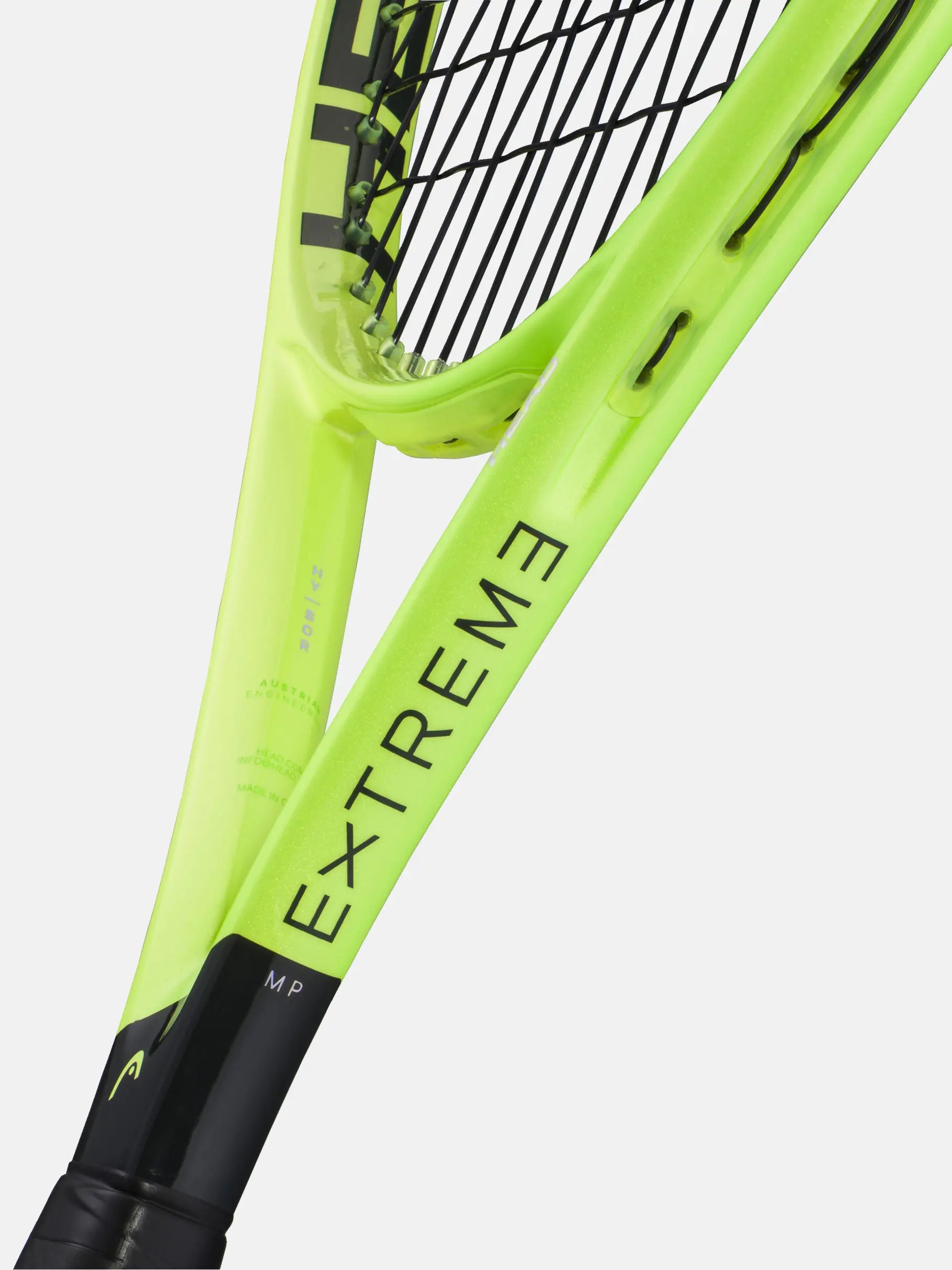
Quick answer: you don't need to spend big to get a genuinely good starter or club-level racket — entry-level frames from Wilson, Head, Babolat and Dunlop regularly deliver a forgiving, comfortable, all-round spec for under £100, ideal for beginners and improving club players.
What to expect at this price point
Sub-£100 rackets are typically aimed at beginners and improving recreational players. Expect a lightweight, forgiving frame with a larger head size (100-107 sq in) and an open string pattern — all features that make the game easier while you're building technique, timing and consistency.
What you're trading off
Budget frames won't match premium rackets on refinement of feel, advanced customisation options, or the very last word in stability at high swing speeds. For learning the game, developing consistent strokes, and playing club-level tennis, that trade-off is rarely noticeable — the difference matters far more once you're at an advanced, competitive level.
What to look for under £100
Head size 100-107 sq in: a bigger, more forgiving sweet spot helps you make solid contact more often while you're learning.
Weight 260-285g strung: light enough to swing comfortably and consistently across a full session.
Open string pattern (16x19): easier access to spin and a slightly softer feel on contact.
A recognisable brand: entry-level frames from established brands are generally built to a more consistent quality standard than unbranded budget options.
Who this price point suits
Complete beginners who aren't ready to commit to a premium frame before they know their game.
Parents buying for juniors moving into a full-size adult racket.
Casual and social players who want a comfortable, reliable racket without chasing the latest tech.
Our recommendation
At this price point, prioritise comfort and forgiveness over any single spec — a light, larger-headed frame from a recognised brand will serve most beginners and social players well, and you can always upgrade once you know what you're looking for in a racket.
Shop this guide at Central Tennis
All in stock now, with expert stringing and racket fitting available in store.
Yonex VCORE Play 2026 265g Strung Tennis Racket
from £64.00
Yonex EZONE Ace 2025 260g Strung Tennis Racket
from £100.00
Wilson Intrigue 105 SE 280g Tennis Racket
from £96.00
Browse more: Tennis rackets · Adult tennis rackets · Racket stringing and servicing
Not sure what suits your game? Talk to our team — we fit, string and demo rackets every day.
Best Junior Tennis Rackets (2026 UK): Top Picks by Age & Size
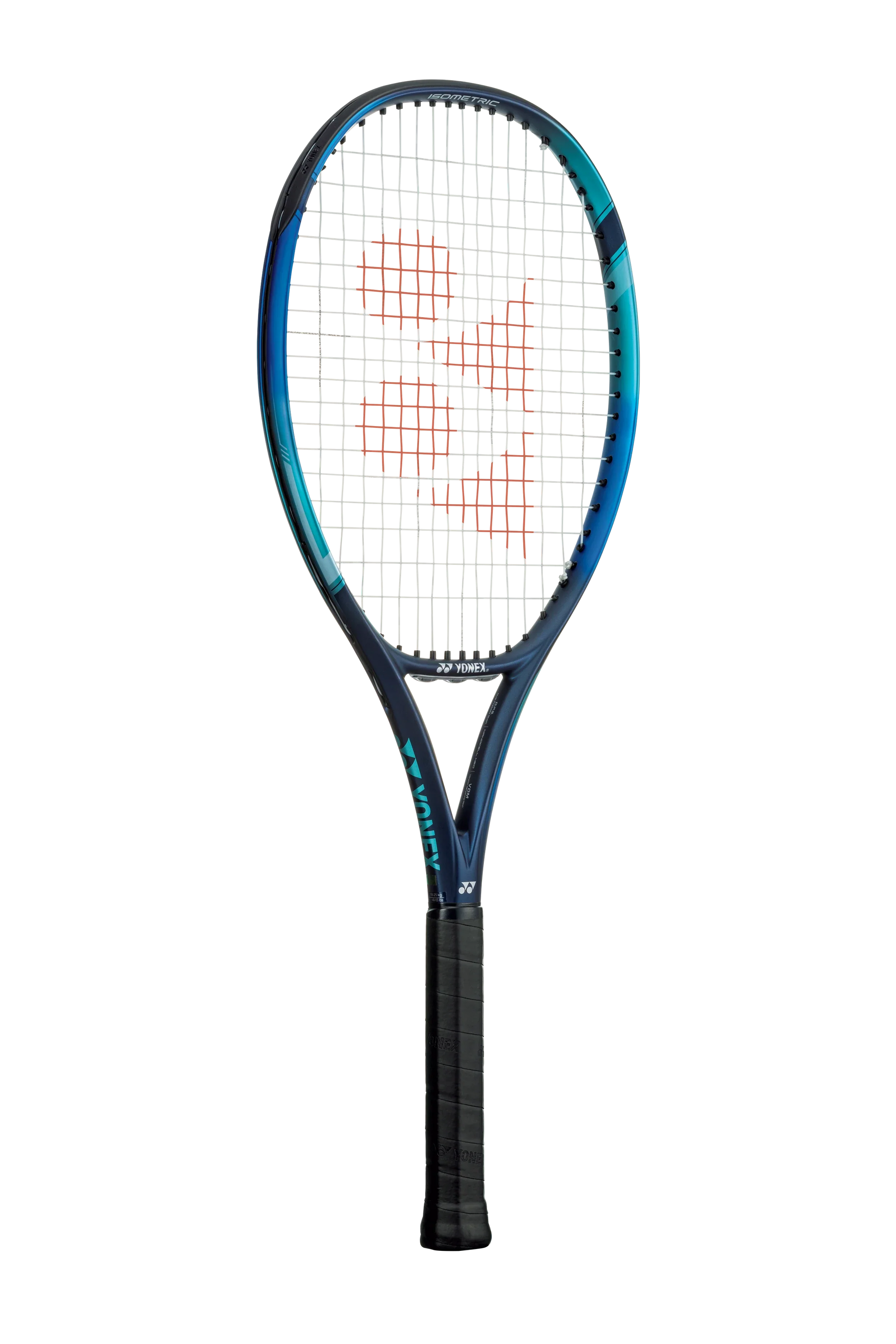
Quick answer: junior rackets are sized by length rather than adult specs like head size and weight — the right size depends mainly on your child's height, not their age. Popular junior lines include the Wilson US Open/Roland Garros junior series, Babolat Ballfighter/Pure Aero Junior, Yonex EZONE Junior and Head Novak/Speed Junior.
Why junior rackets are sized differently
Adult rackets are described by weight, head size and balance. Junior rackets are primarily described by length (in inches), since a growing child's main limitation is arm length and strength rather than swing style. A too-long or too-heavy racket makes it hard to control the racket head and can develop poor technique early on.
Rough sizing guide by height
Up to around 110cm: 19-21 inch rackets, the smallest junior sizes for very young beginners.
Around 110-125cm: 23 inch rackets.
Around 125-140cm: 25 inch rackets.
Around 140-155cm: 26 inch rackets.
Above around 155cm: many juniors move into a full-size 27 inch adult racket, often a lighter junior-specific or lightweight adult frame.
These are general guides rather than strict rules — a coach's recommendation based on your child's strength and comfort is worth more than height alone.
Popular junior racket lines
Wilson junior series (US Open/Roland Garros): widely available across sizes, durable and beginner-friendly.
Babolat Ballfighter / Pure Aero Junior: colourful, lightweight options that mirror Babolat's adult lines as kids grow.
Yonex EZONE Junior: comfortable, well-balanced frames that scale up through the size range.
Head Novak / Speed Junior: lightweight frames designed to build good habits early, with sizes tracking Head's adult Speed line.
Signs it's time to size up
If your child is having to muscle the racket through the swing, struggling to get the racket back in time, or has clearly grown since their last racket, it's likely time to move up a size. Most juniors need a new racket every year or two as they grow.
Our recommendation
Measure your child's height and use it as a starting guide, but don't be afraid to size down slightly if a recommended length still feels too heavy or long to control — good technique with an easier-to-control racket beats a nominally "correct" size that's a struggle to swing.
Shop this guide at Central Tennis
All in stock now, with expert stringing and racket fitting available in store.
Yonex Jr 23" 2025 Junior Tennis Racket
from £20.02
Yonex EZONE Jr 24" Hybrid Junior Tennis Racket
from £48.00
Wilson Slam Junior 21" Tennis Racket 171g
from £16.61
Browse more: Junior tennis rackets · Junior tennis balls · Junior tennis shoes
Not sure what suits your game? Talk to our team — we fit, string and demo rackets every day.
Best Tennis Rackets for Doubles (2026)
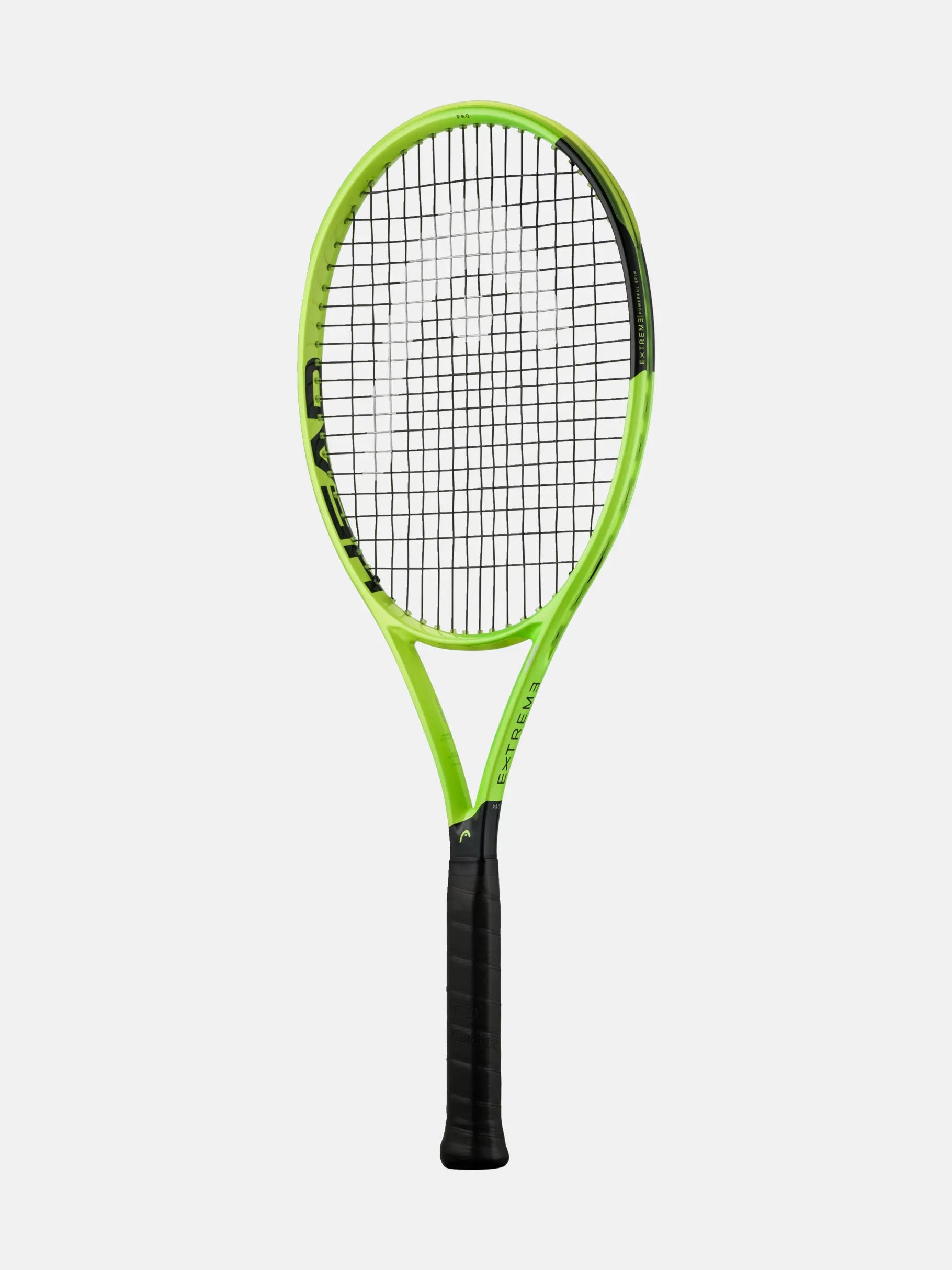
Quick answer: doubles rewards quick hands at the net, fast reactions and manoeuvrability more than raw baseline power, so a slightly lighter, more head-light, control-friendly frame with a fast swing often suits doubles better than a heavy, spin-focused baseline racket. Strong 2026 picks include the Wilson Clash 100, Babolat Pure Strike, Yonex EZONE 98 and Head Speed MP.
What doubles demands from a racket
Doubles is played much more at the net, with faster exchanges, more volleys and quicker reaction time needed than singles. Court coverage is shared, so raw power and baseline grinding matter less than manoeuvrability, touch and the ability to react and block quickly at the net.
Key specs for doubles
Manoeuvrability: a slightly lighter frame or more head-light balance helps you get the racket to volleys and quick exchanges faster.
Comfort and control: touch at the net for drop volleys and angled shots matters more in doubles, so a control-friendly, comfortable frame is often a better fit than a pure power frame.
Stability on reflex volleys: some added weight or a stable frame helps absorb the pace of fast net exchanges without the racket twisting in your hand.
Notable 2026 options
Wilson Clash 100: excellent comfort and flex, forgiving for quick net reactions and off-centre volleys.
Babolat Pure Strike: control-oriented with good manoeuvrability, suited to players who like to dictate the net.
Yonex EZONE 98: comfortable, stable, and versatile for both net play and baseline exchanges.
Head Speed MP: manoeuvrable and spin-friendly, useful for quick transitions between baseline and net.
Don't overlook your doubles partner's game
If you're the stronger net player in your partnership, prioritise touch and reaction speed in your frame. If you spend more time at the baseline setting up points, a slightly heavier, more stable frame may suit you better even in doubles.
Our recommendation
Favour manoeuvrability and touch over raw power for doubles — you'll get more value from quick hands at the net than from added baseline pace, since so many doubles points are decided in the forecourt.
Shop this guide at Central Tennis
All in stock now, with expert stringing and racket fitting available in store.
Yonex EZONE 100L 2025 285g Tennis Racket
from £192.00
Wilson Intrigue 105 SE 280g Tennis Racket
from £96.00
Yonex VCORE 98 2026 305g Tennis Racket
from £234.00
Browse more: Tennis rackets · 16x19 spin-friendly frames · Power tennis rackets
Not sure what suits your game? Talk to our team — we fit, string and demo rackets every day.